menu
menu
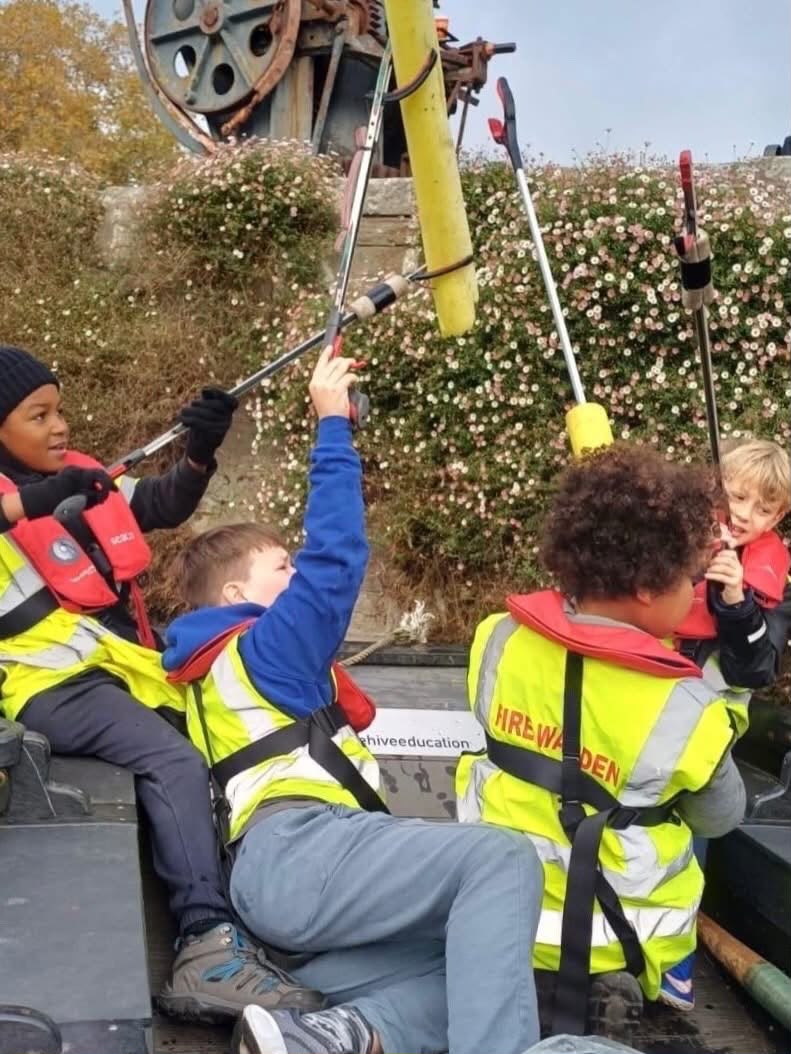
“JACKPOT!”
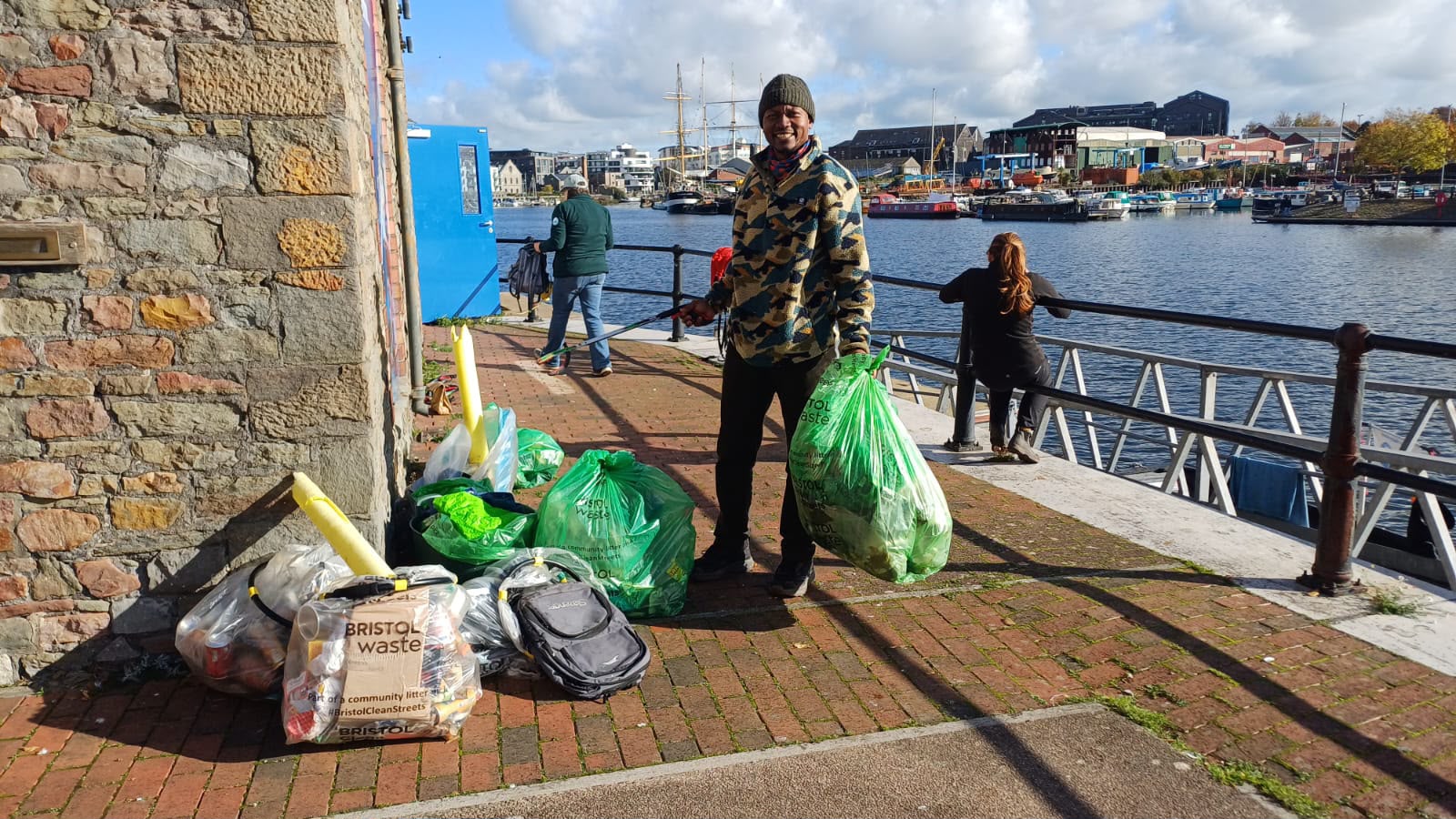
That was the excited shout from children in Cormorant Class at Hotwells Primary School whenever they discovered another collection of litter floating in Bristol’s harbour. By the end of their day with Fishing for Change, they had collected an impressive 62.2 kg of litter from the water and surrounding harbourside.
Plastic bottles, food packaging, cans, and all sorts of discarded items were retrieved by children determined to make a difference. It was wonderful to see their energy, excitement and teamwork. But what stayed with me was something beyond the litter they collected.
It was what they were discovering about their city and the opportunities that could grow from experiences like this.
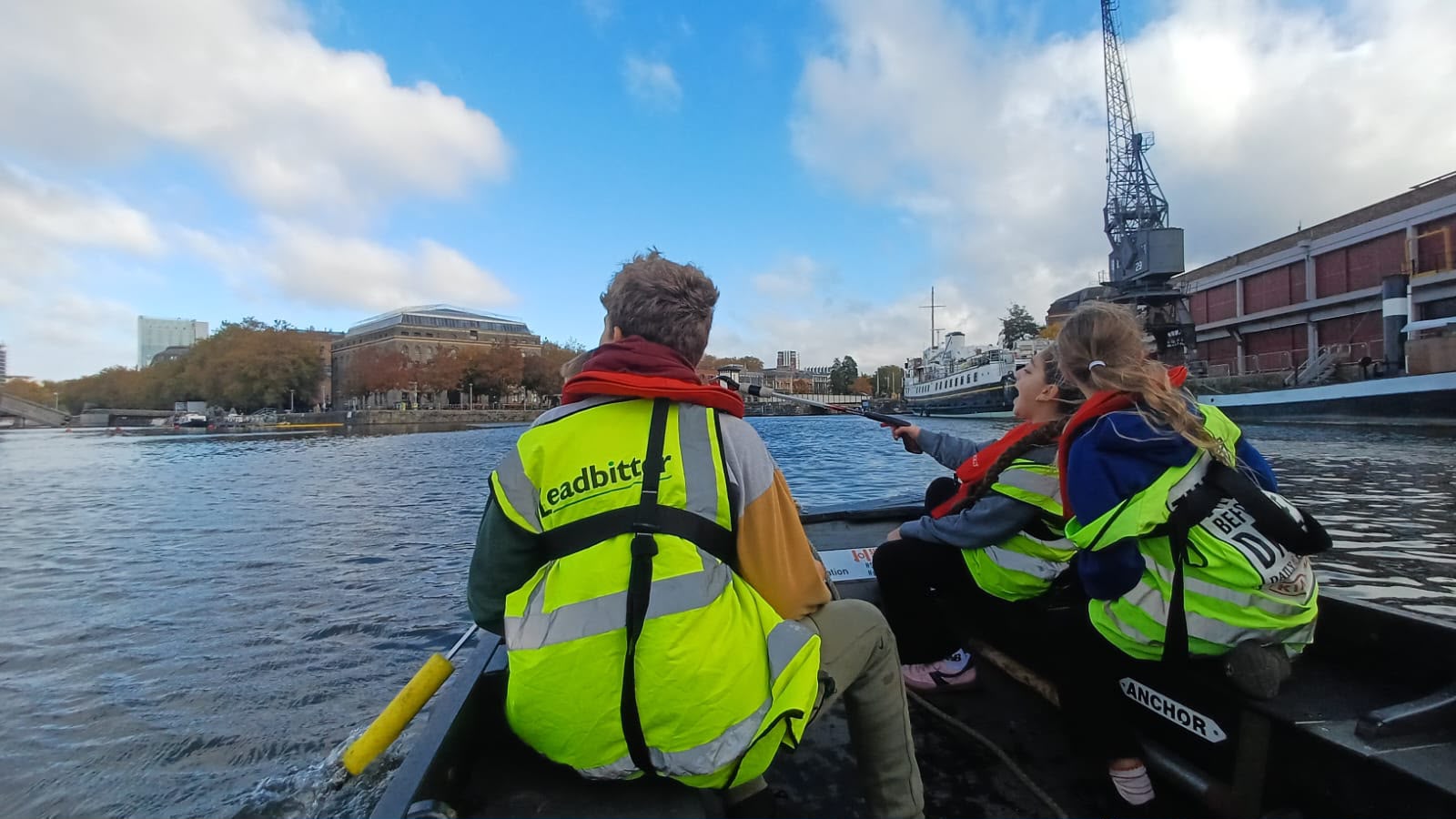
 As we travelled through Bristol’s Floating Harbour, the children learned about the floating islands that provide habitats for fish and birds, the importance of water quality, and how pollution can travel from our harbour into the Bristol Channel and beyond.
We observed cormorants, discussed the wildlife living beneath the surface and explored how the environment responds to what happens around it.
For many of us, the harbour is part of Bristol’s everyday landscape. We walk alongside it, cross its bridges or enjoy the spaces around it without necessarily thinking about everything happening beneath the surface. Yet the harbour is also a working environment and a living ecosystem that requires constant care, technical knowledge, and investment.
Helping children understand that relationship is an important part of building a more environmentally responsible city.
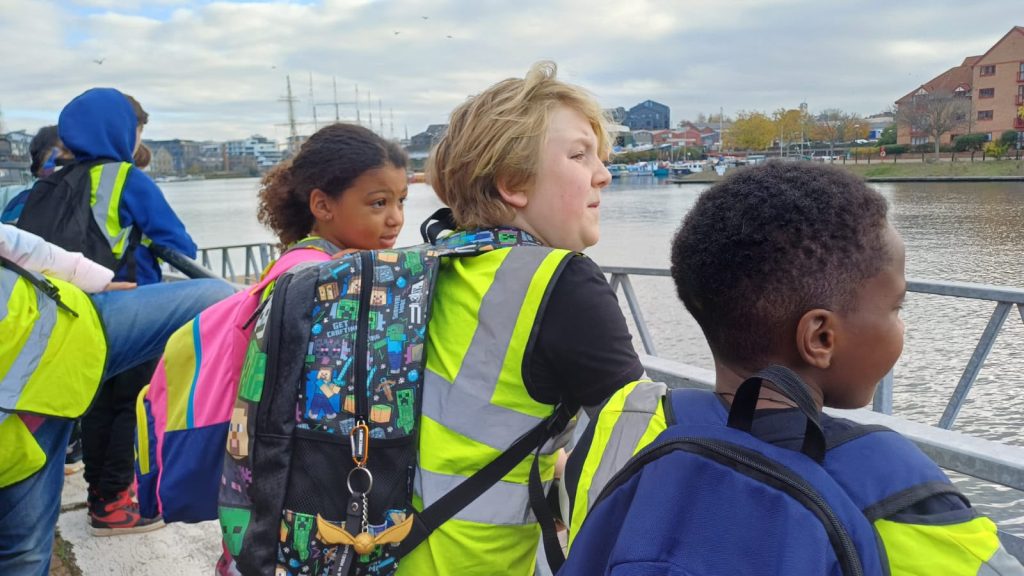
One of my favourite moments was watching the children looking across the water towards Pero’s Bridge. It made me reflect on what they might see when looking out across our harbour. Perhaps a bridge, a boat, or simply a beautiful view, but what if they could also see the possibility of a future career?
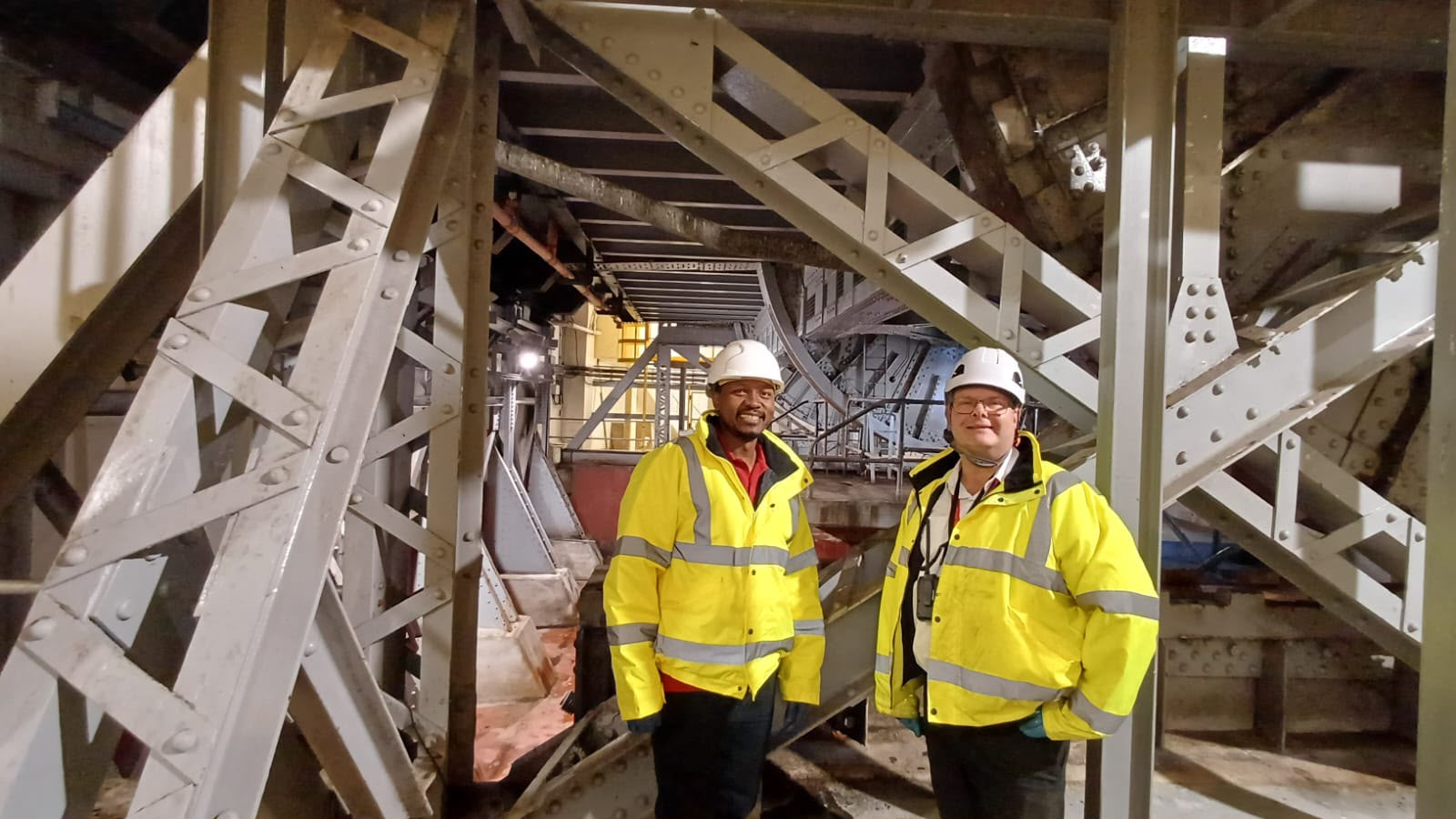
Recently, I had the opportunity to explore some of the engineering and infrastructure that supports the operation of our harbour. Standing among its steel structures and technical systems was a reminder of the specialist skills required to maintain the waterways, bridges and facilities that so many of us rely upon.
These are not simply pieces of infrastructure, they represent generations of engineering knowledge, practical experience, and skilled employment. Watching the children explore the harbour brought those two experiences together.
Today, they were learning about biodiversity, water quality and environmental protection. Tomorrow, some could be designing bridges, maintaining boats, developing cleaner marine technologies or managing our waterways.
However, that possibility should not depend on whether their parents work in engineering, whether they know someone in the maritime industry, or whether their school happens to have access to these experiences.
Opportunity should begin with exposure, develop through education and lead towards genuine pathways into employment.
As Vice-Chair of Bristol’s Harbour Committee, I believe we should be looking beyond the immediate responsibilities of maintenance, infrastructure and environmental management. Those responsibilities are essential. But the harbour also offers opportunities to connect young people with the skills, industries and employment that support its operation.
Bristol has an established maritime history and a working waterfront economy. We should be asking how the benefits of that economy can reach more of our communities.
I would like to see these conversations brought together through stronger partnerships between schools, harbour organisations, employers and training providers. Not every child will pursue a maritime career. Nor should they have to. But every child should have the opportunity to discover what exists within their own city and make informed choices about their future.
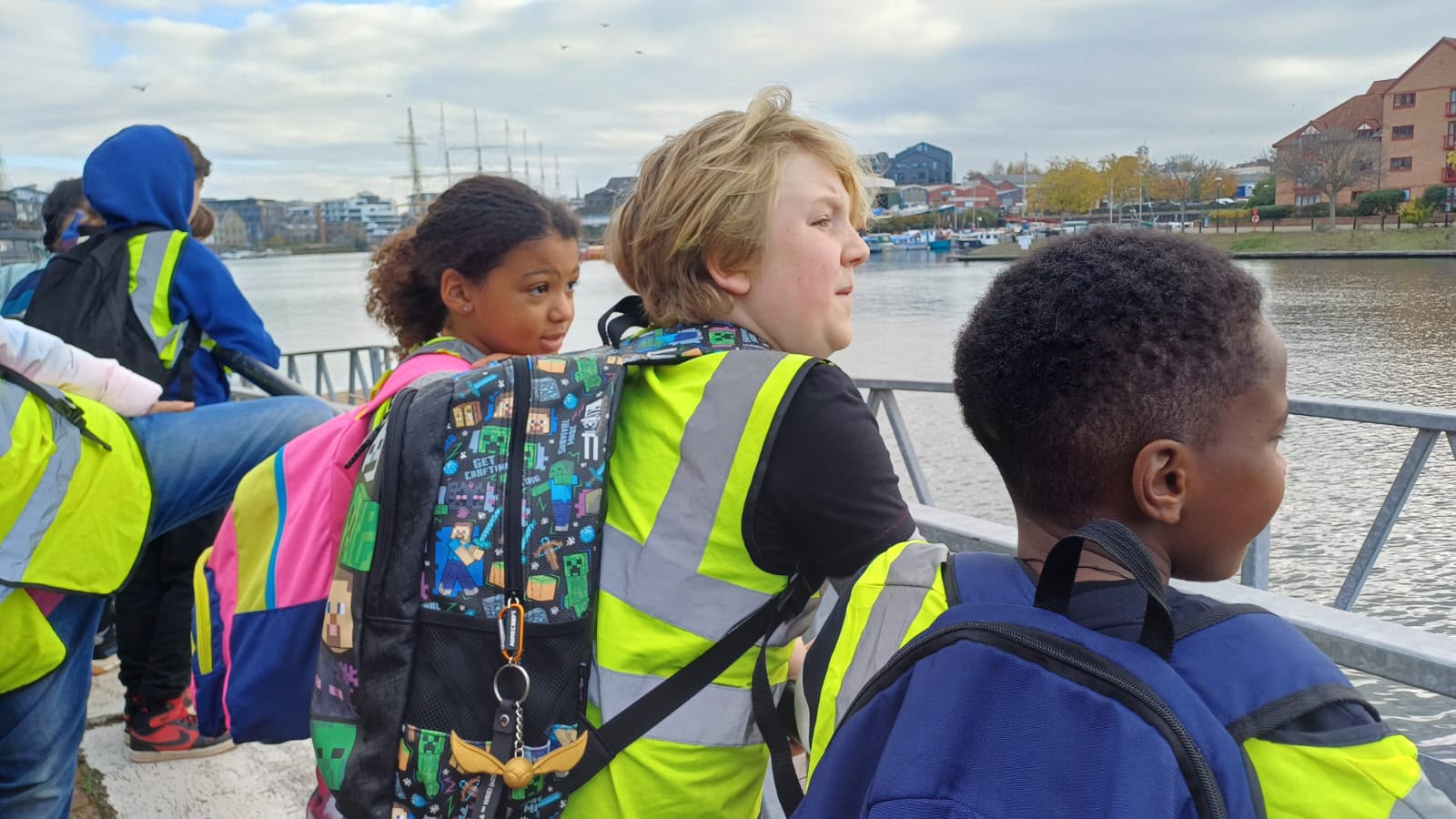
The experience also reminded me that environmental stewardship is not something we should expect young people to learn only in classrooms. The children were working together, sharing equipment, finding solutions and learning how their actions affected the environment around them.
They could see the results of their efforts. Yet we must also recognise that community litter picking, however valuable, is not a substitute for proper investment in environmental protection and waste prevention. Our responsibility as a city is to support initiatives like Fishing for Change while addressing the wider causes of pollution and ensuring our harbour is maintained for everyone.
A huge thank you to Fishing for Change, Hotwells Primary School, the teachers, volunteers, and everyone who supported the day. And congratulations to Cormorant Class for their remarkable achievement in collecting 62.2 kg of litter.
They showed us what local and global citizenship looks like when it becomes action.
The future of Bristol’s harbour should not simply be something we protect for the next generation. It should also be somewhere they can discover their potential, develop their skills and find opportunities to help shape maritime jobs and the cities future.