Sibusiso Tshabalala
Councillor for CentralSibusiso Tshabalala is a Bristol civic leader connecting resident voice, public benefit and community investment to build fairer, more democratic neighbourhoods and city centre.
More about Sibusiso

menu

There are moments in public life when seemingly separate responsibilities begin to reveal a single purpose.
Over recent months, I have found myself reflecting on Bristol’s relationship with its waterfront. Through my work as a Central Ward councillor, my appointment as Vice-Chair of Bristol’s Harbour Committee and my role as a Non-Executive Director of Bristol Port, I have come to appreciate that these are not disconnected responsibilities. They offer different perspectives on the same question.
How do we steward one of Bristol’s greatest civic assets for future generations?
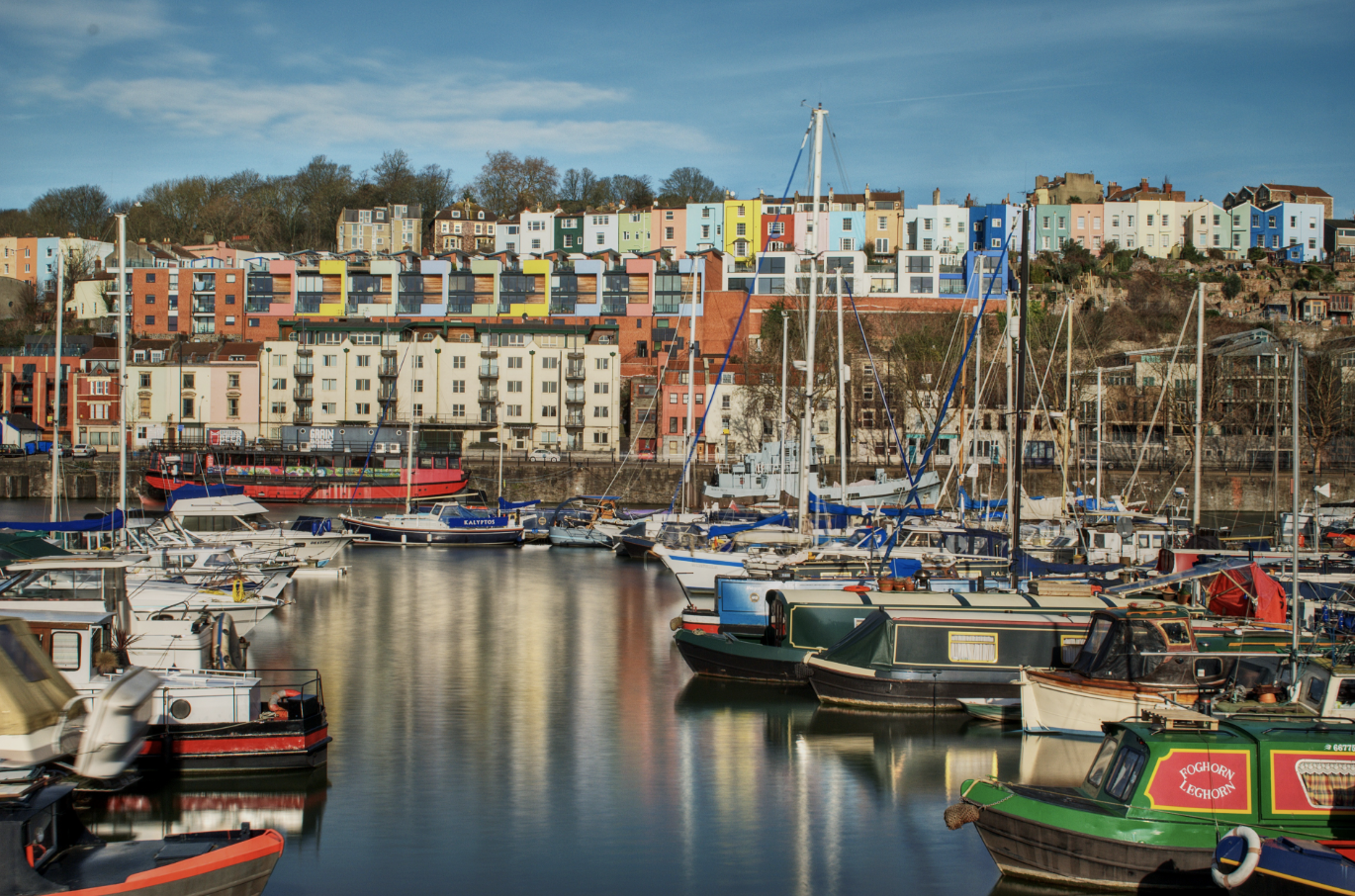
That question reaches far beyond ships, quaysides or committee meetings. It is about people. It is about place. It is about the institutions entrusted with shaping our city’s future.
Every city has places that define its identity. For Bristol, our waterfront is one of them. For centuries, it has connected communities, commerce and ideas. It has been a gateway to opportunity, industry and innovation.
It has also witnessed some of the most difficult chapters in our city’s history. To steward Bristol’s maritime future is therefore not simply to preserve what has been inherited, but to learn from it, acknowledge it honestly and ensure that the waterfront continues to serve the whole city.
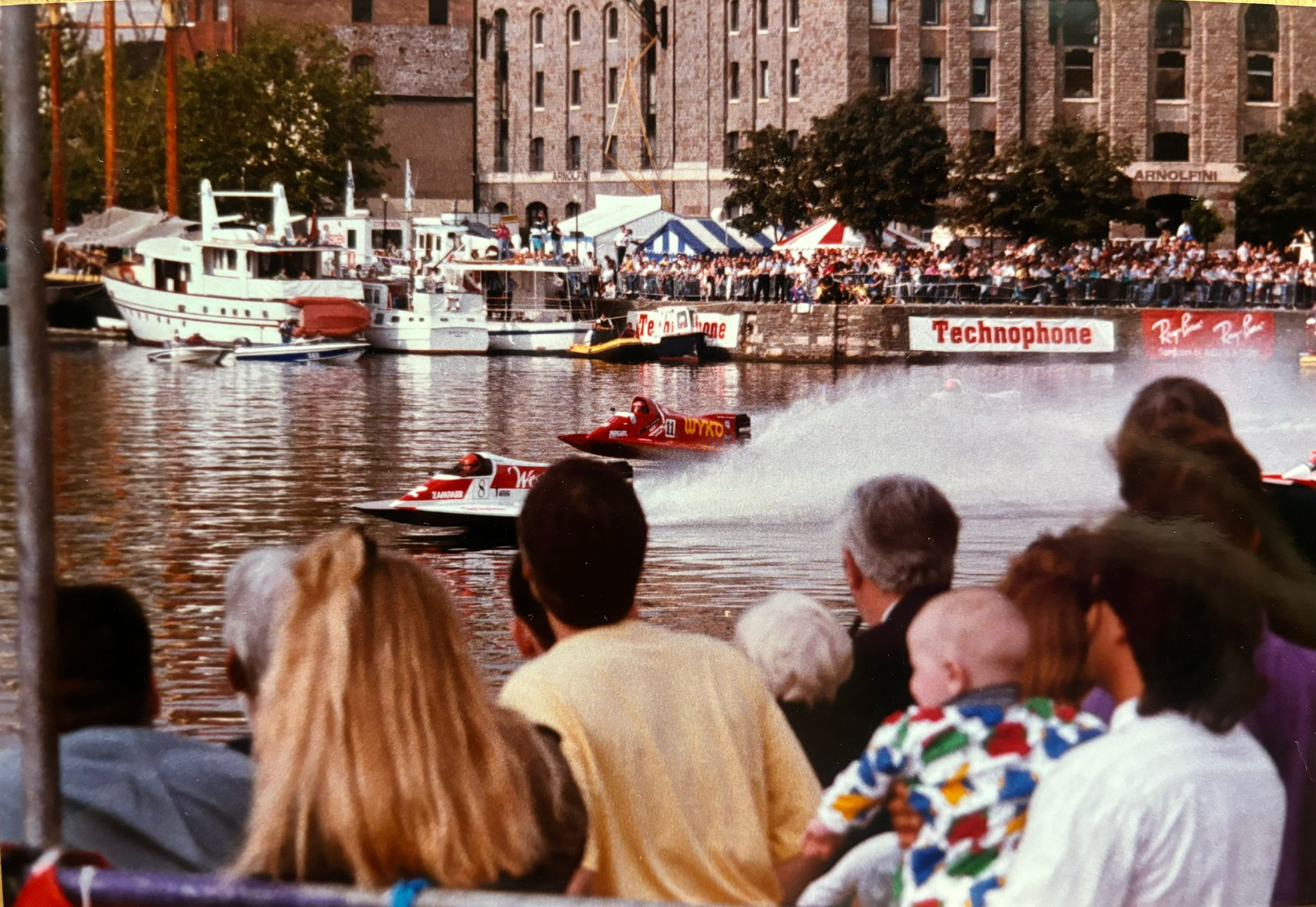
Today, Bristol’s waterfront remains a living ecosystem. It is where families make their homes on the Floating Harbour. It is where independent businesses and creative organisations contribute to our local economy. It is where volunteers preserve our maritime heritage. It is where visitors experience Bristol’s story.
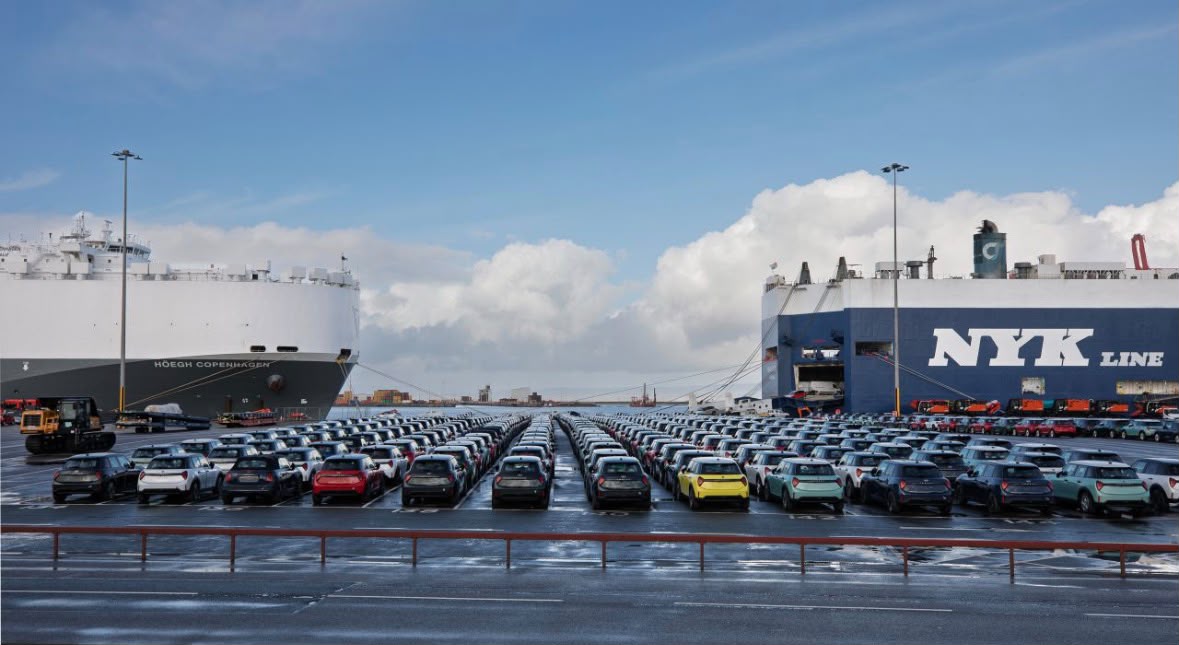
It is where engineers, researchers and entrepreneurs are developing cleaner marine technologies. And it is where Bristol Port connects our regional economy with global markets.These are often spoken about as separate interests. I believe they are strongest when we understand them as part of one connected system.
The Harbour Committee and Bristol Port have distinct responsibilities, governance and purposes, and those differences matter. the Harbour Committee stewards one of Bristol’s most treasured public spaces and historic environments. Bristol Port supports international trade, employment, investment and economic resilience. Their responsibilities are different, but their success is connected. A thriving maritime economy creates opportunities to invest in the city’s future, while an attractive, accessible and inclusive waterfront strengthens Bristol as a place to live, work, visit and invest.
The challenge is not to choose between heritage and prosperity. It is to ensure that one strengthens the other. That same principle has shaped my work as a councillor.
Whether working alongside residents to improve neighbourhoods, supporting our floating community, encouraging partnerships that strengthen Bristol’s maritime economy, or helping connect community priorities with long-term investment, I have found myself returning to the same question.
How do today’s decisions leave tomorrow’s public legacy?
For me, stewardship is not about protecting places from change. Nor is it about pursuing growth at any cost. It is about ensuring that change strengthens communities, that investment improves everyday life, and that economic success creates opportunities that are shared more widely across the city. Good stewardship asks us to think beyond individual projects.
 A repaired pathway is about accessibility.
A new community facility is about belonging.
Investment in clean marine technology is about the future of our economy.
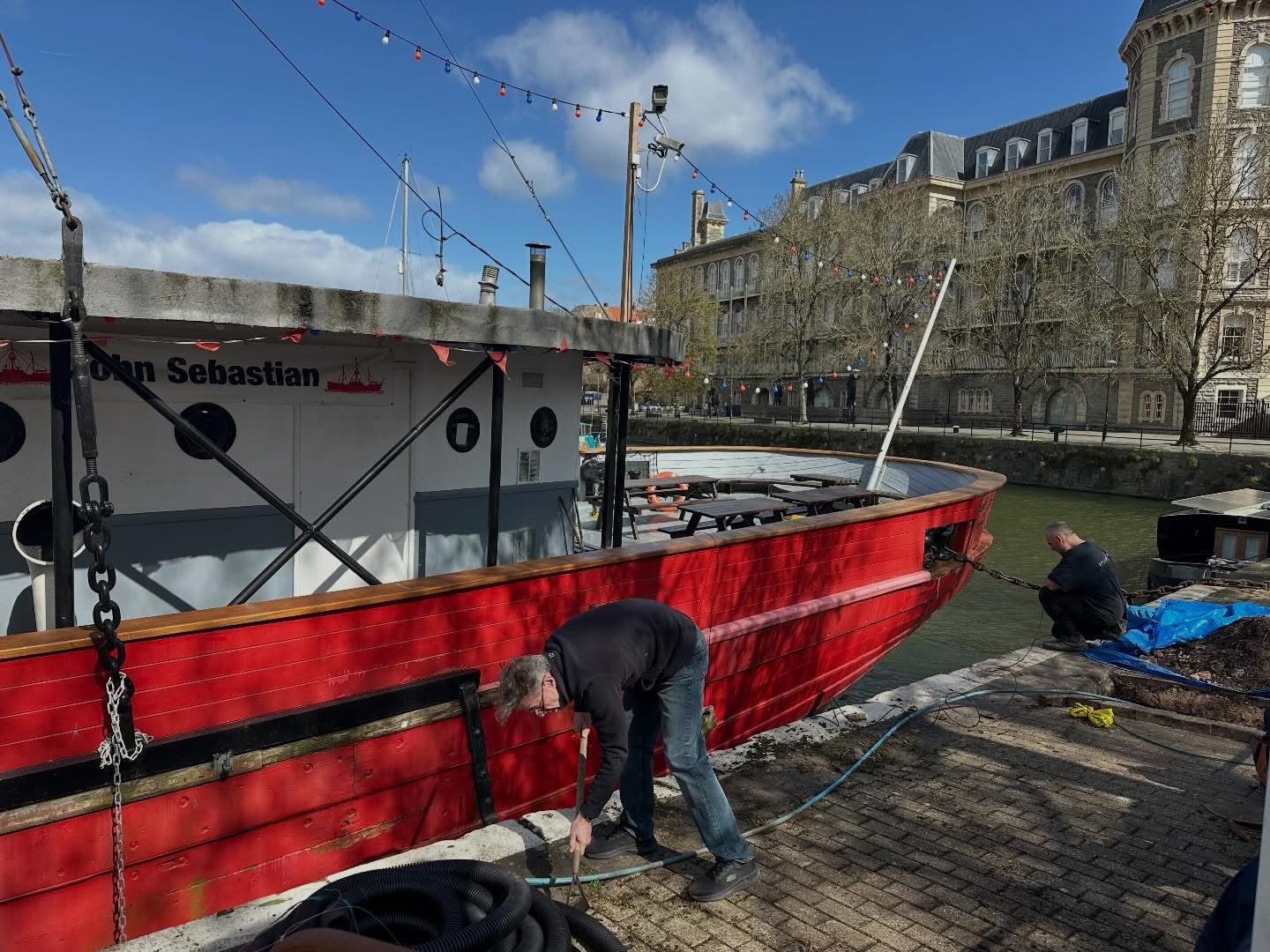
Supporting a residential boating community is about recognising that neighbourhoods take many forms.
Taken individually, these may appear to be modest initiatives.
Taken together, they begin to describe the kind of city we are choosing to become.
The principles described here are not theoretical. They are reflected in practical decisions, including our recent investment in Bristol’s Floating Harbour, made possible through Community Infrastructure Levy funding.
Public leadership is often associated with making decisions. I believe it begins with listening.
Some of the most valuable lessons I have learned have come not from committee rooms but from conversations with residents, harbour users, businesses, volunteers, community organisations and colleagues working across Bristol’s maritime sector. Those conversations continually remind me that successful places are not created by institutions acting alone. They are created when institutions earn trust by working with the communities they serve.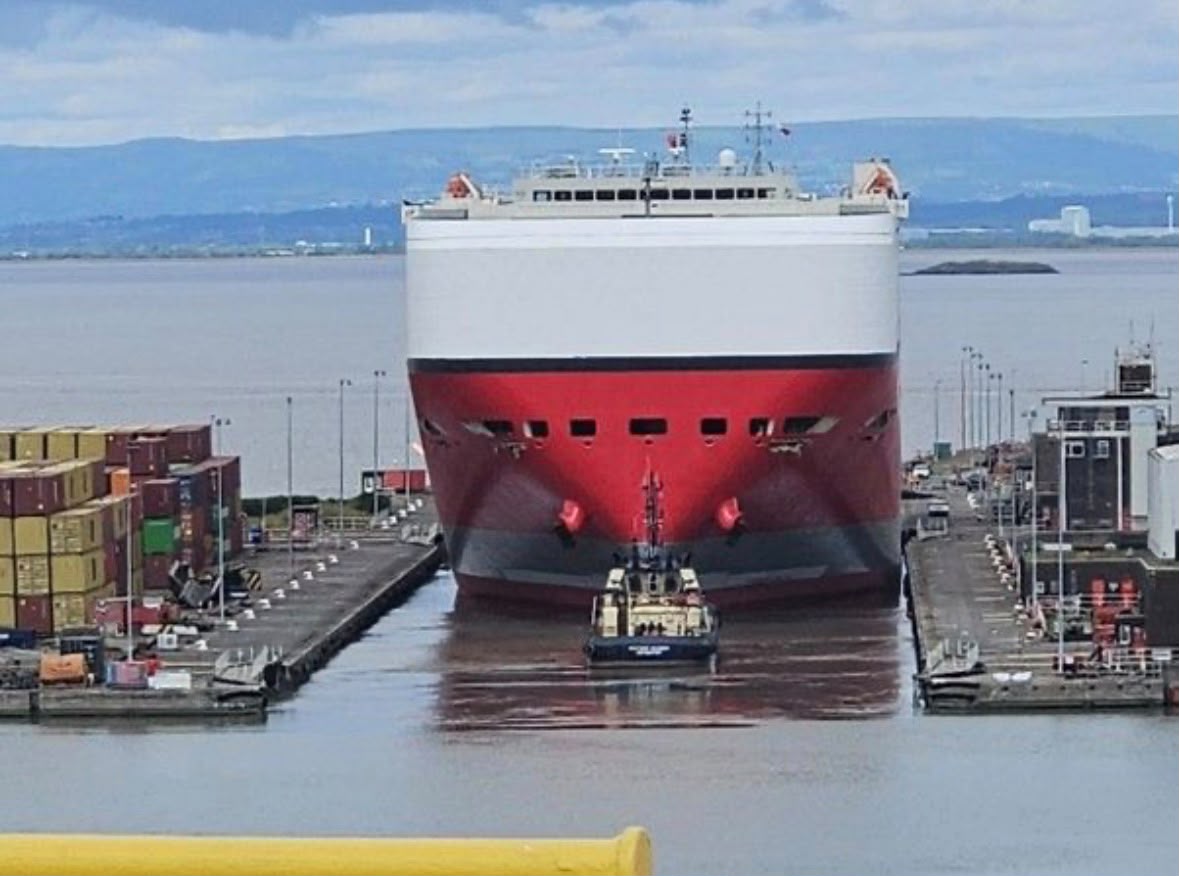
That is why I believe the future of Bristol’s waterfront cannot be shaped by any single organisation.
It depends upon collaboration between the Harbour Authority, Bristol Port, local communities, businesses, cultural organisations, environmental partners, universities, innovators and public institutions. Each has a different responsibility, but all share an interest in ensuring that Bristol’s waterfront remains economically vibrant, environmentally responsible, historically honest and socially inclusive.
Ultimately, none of us owns this place.
We inherit it for a time.
Our responsibility is not simply to manage Bristol’s waterfront, but to leave it stronger than we found it, more accessible, more connected, more sustainable and more inclusive. If future generations inherit a waterfront where heritage and innovation reinforce one another, where economic prosperity supports thriving communities, and where public institutions work in partnership with the people they serve, then we will have honoured not only Bristol’s maritime history, but our responsibility to its future.
Because stewardship is never about holding office. It is about leaving behind places, institutions and relationships that are stronger because we were entrusted with their care.

Sibusiso Tshabalala is a Bristol civic leader connecting resident voice, public benefit and community investment to build fairer, more democratic neighbourhoods and city centre.
More about Sibusiso