Sibusiso Tshabalala
Councillor for CentralSibusiso Tshabalala is a Bristol civic leader connecting resident voice, public benefit and community investment to build fairer, more democratic neighbourhoods and city centre.
More about Sibusiso

menu
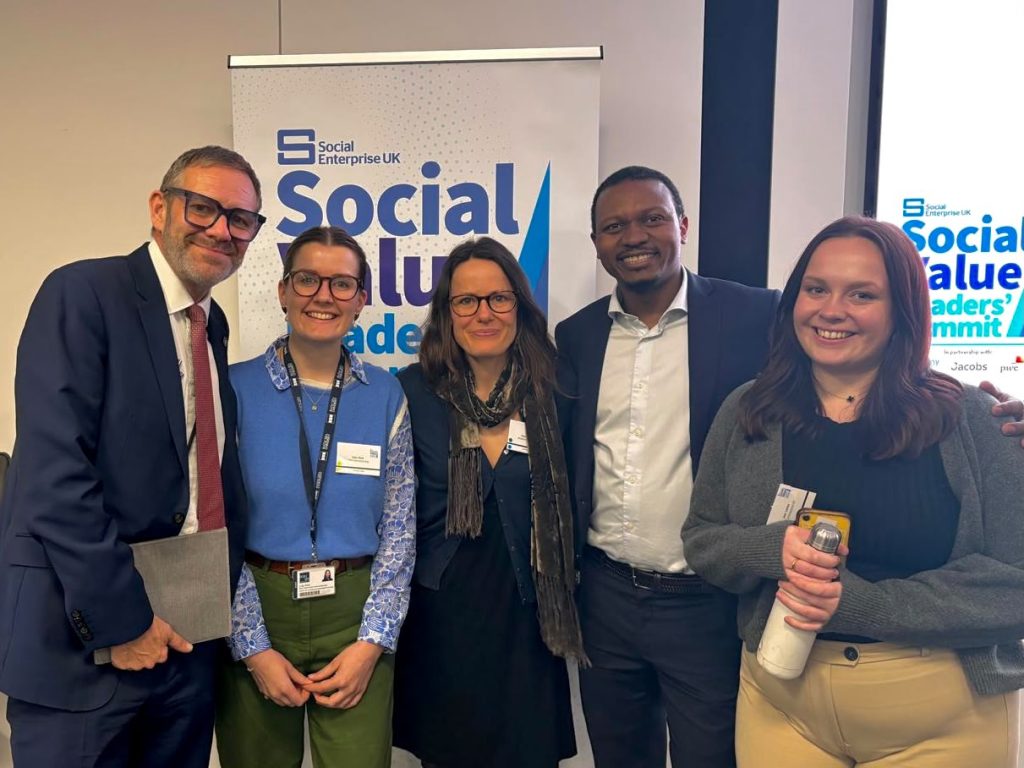
Being invited to the launch of the Independent Commission on Neighbourhoods (ICON) was encouraging because I could see a striking alignment between its emerging thinking and lessons I had reached through years of practical neighbourhood work. That did not mean our work was identical, or that one had produced the other. What mattered was the convergence.
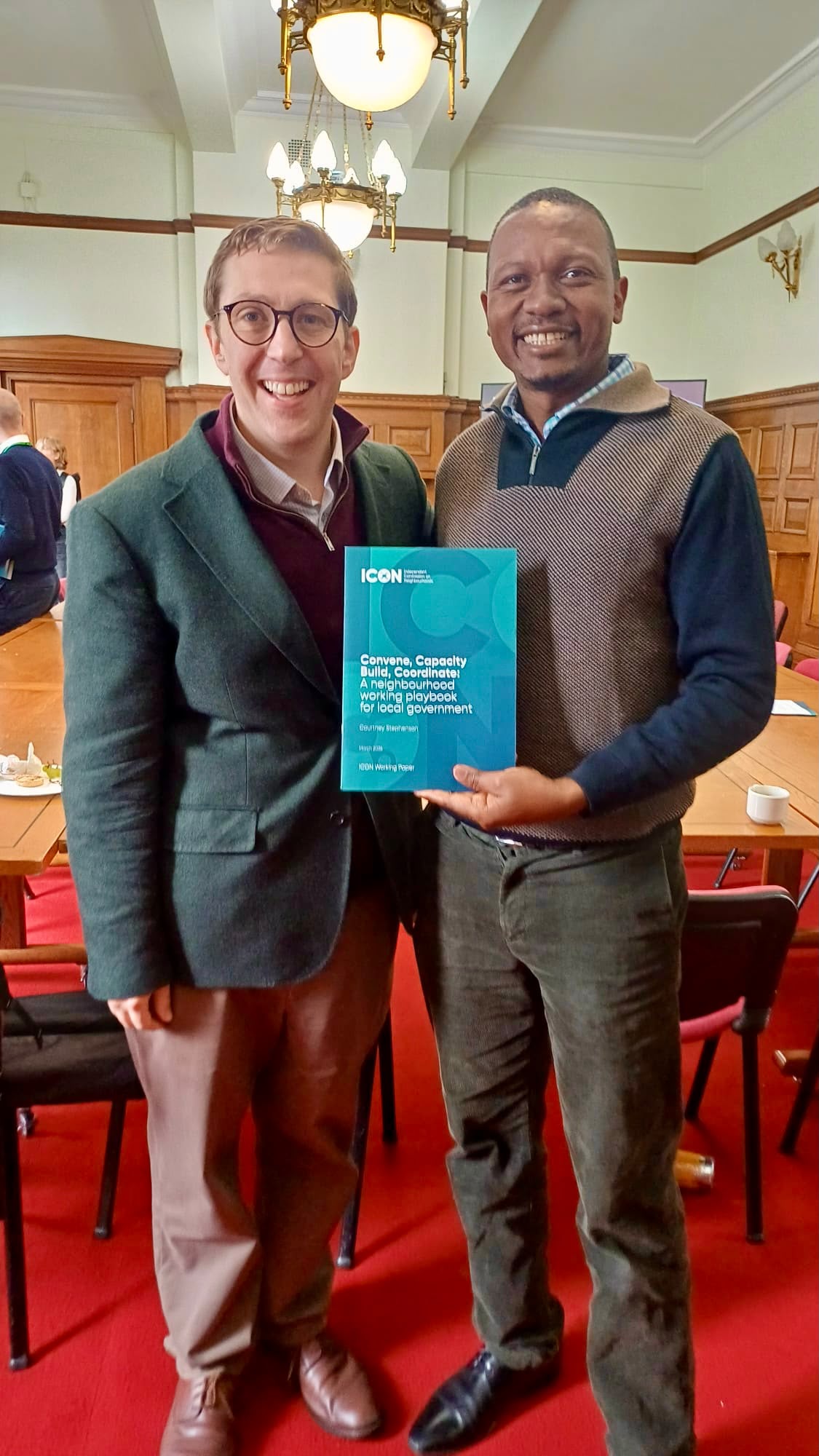 ICON’s work reinforced something I had increasingly seen through practice, neighbourhood recovery cannot begin with economic growth alone.
Communities first need relationships, social infrastructure and the capacity to act collectively.
From there, stronger neighbourhoods and institutions can help reshape public services and connect residents to economic opportunity.
It gave me greater confidence in and a simple conclusion, there is an order to neighbourhood change.
To understand how I reached that point, it is necessary to go back to 2017.
In 2017, Bristol’s Neighbourhood Partnerships were closed as the council responded to severe financial pressures. Whatever their limitations, they had provided a recognised space where residents, councillors, community organisations and public services could come together around neighbourhood priorities. Their closure did not remove the need for that infrastructure. Residents continued organising, public services continued operating, development continued shaping neighbourhoods.
The city still had communities, institutions and investment, but much less neighbourhood-level infrastructure capable of bringing those things together. What became fragmented was the coordination of neighbourhood priorities and the ability to build a shared vision for place. That matters most in areas experiencing significant change, where planning, housing, public space, community safety and development can otherwise proceed in separate conversations rather than as part of one coherent neighbourhood agenda.
The lesson for me was bigger than the loss of one council structure. It was the loss of a mechanism for neighbourhood coordination, collective priority-setting and long-term ward vision planning.
That question has become more pressing as national support for neighbourhood planning has also weakened. Urban communities without the independent income available to parish or town councils are particularly exposed when grants and technical-support programmes disappear.
The lesson is increasingly clear community power cannot depend entirely on programmes that can disappear when funding priorities change. It was into that gap that my own neighbourhood work began to take shape.
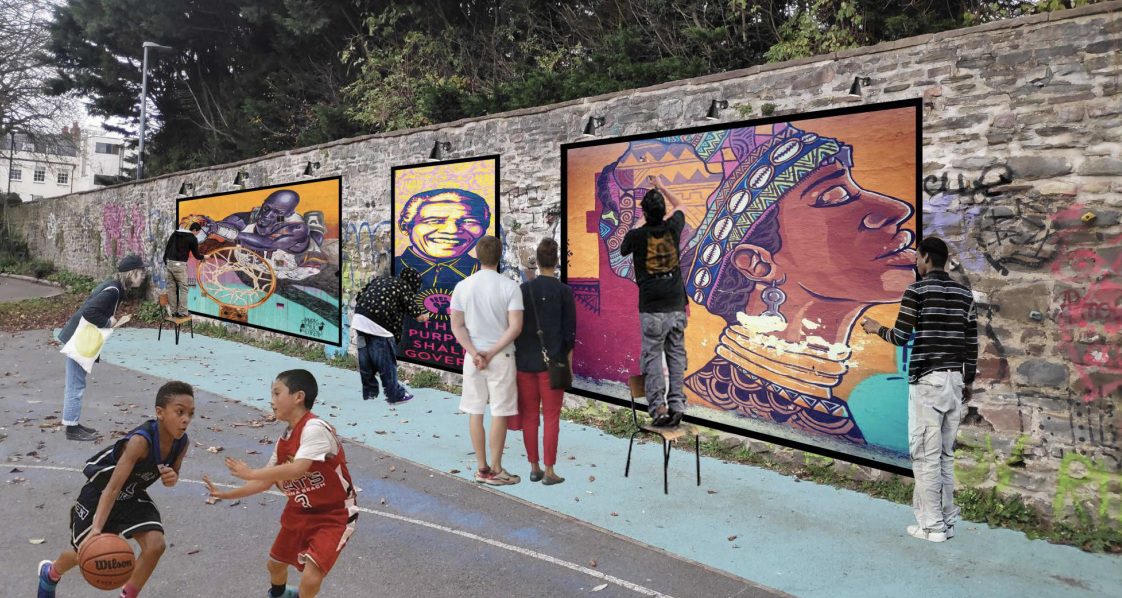
The closure of St Pauls Unlimited in 2019 had left a real local capacity gap. The need for neighbourhood engagement had not disappeared, but the infrastructure and capacity to support it had weakened. Rather than beginning with a predetermined project or assuming what the community needed, I focused first on rebuilding the capacity to engage properly.
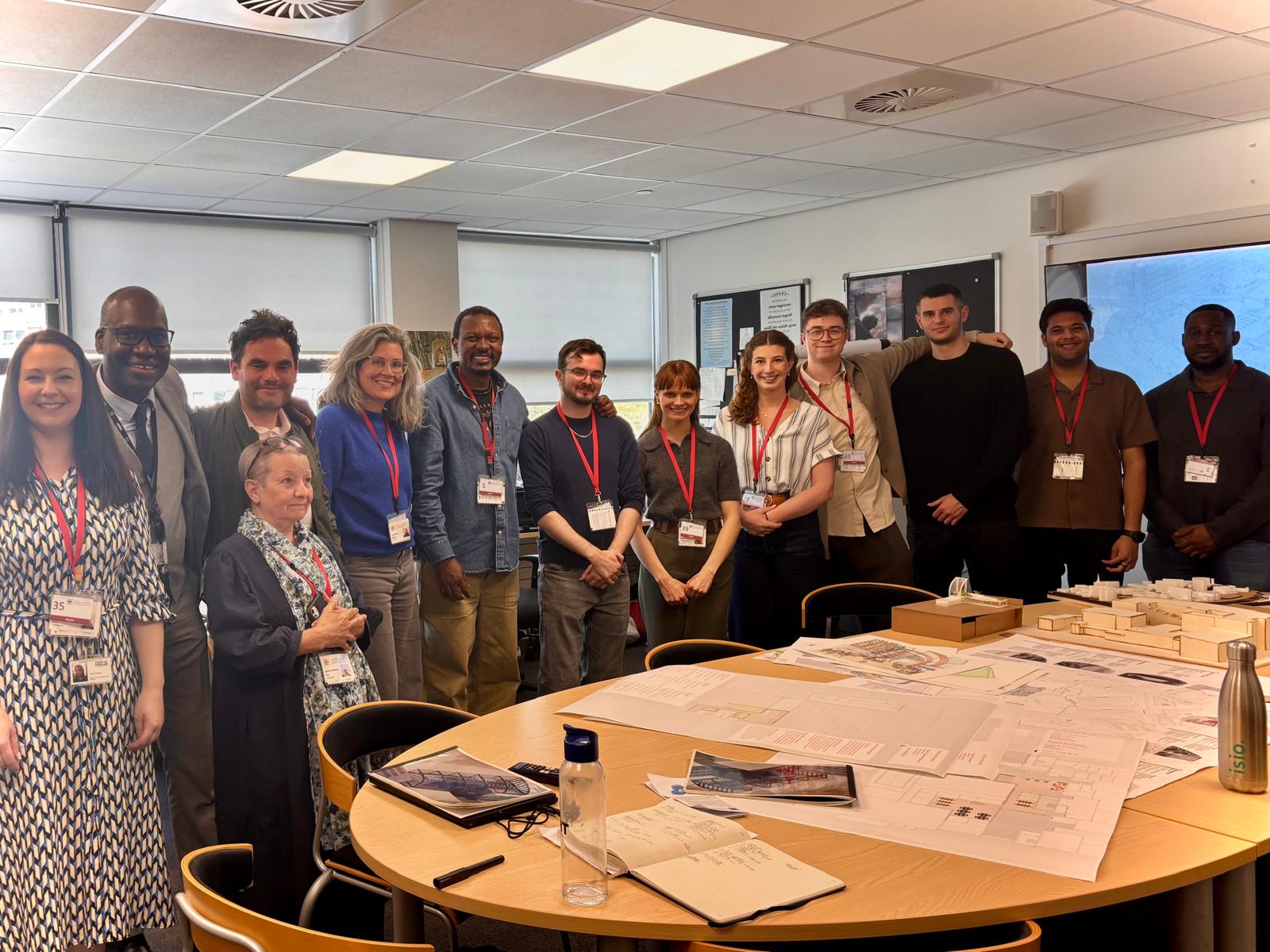
That led me to develop a working relationship with the University of the West of England’s Architecture department through its Hands-On Project. Together, we began exploring how architectural and spatial tools could help residents engage more confidently with planning, public space and neighbourhood change. The problem I was responding to was structural.
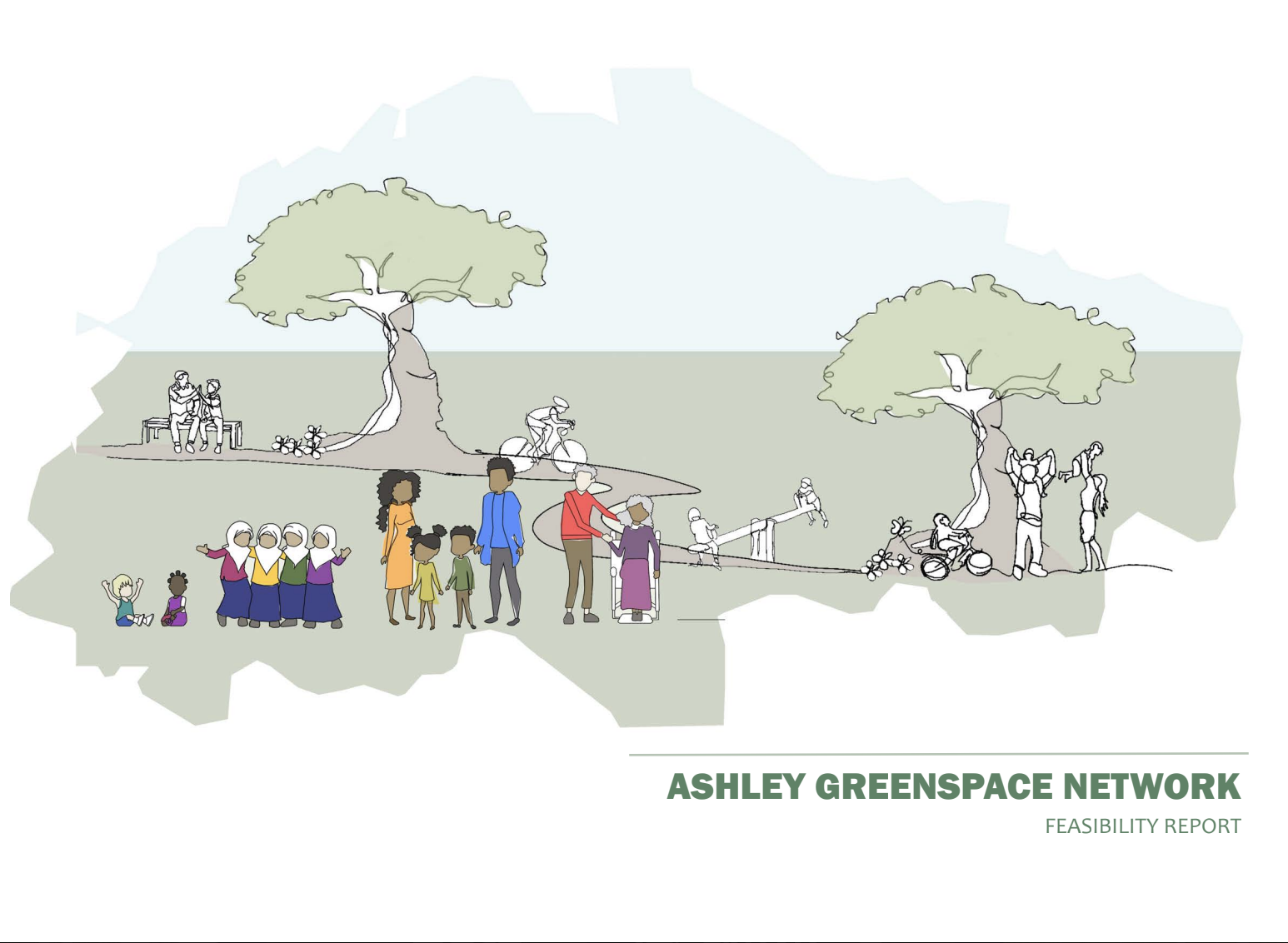
Residents often understood their neighbourhood in extraordinary detail, yet there was no consistent interface capable of translating that knowledge into the technical and commercial systems shaping development. Consultation could therefore leave people responding to decisions rather than helping to frame them. I did not believe our role should simply be to choose the colour of the park benches in developments that would fundamentally alter the neighbourhood.
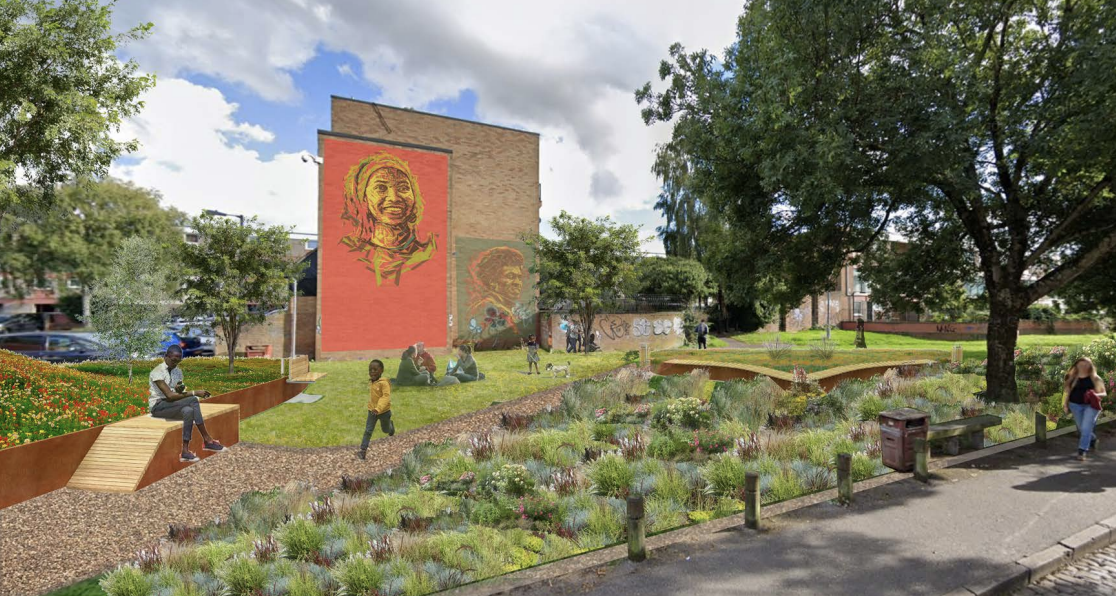 Instead, I began developing an approach based on active co-design. Using physical and digital 3D models, residents and architecture students could examine proposals, understand their implications and explore alternatives. The principle that emerged was straightforward
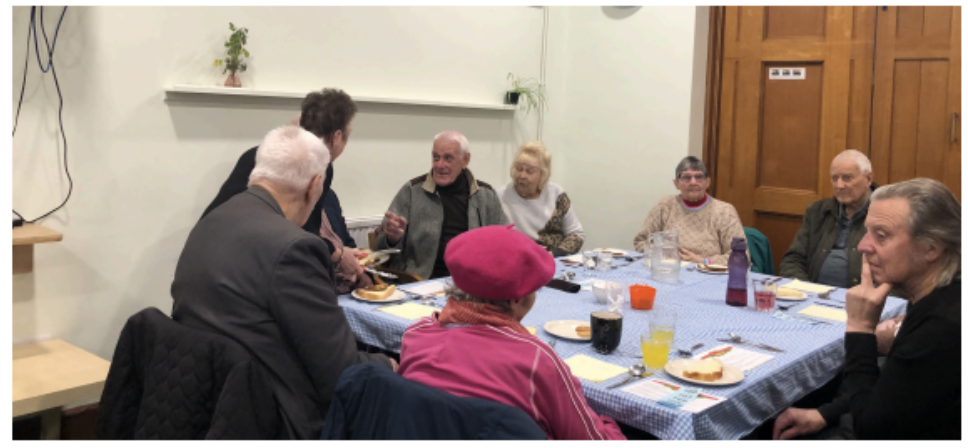 True community power is not simply being handed a finished plan to critique. It is having the opportunity to help shape it from the beginning. That approach developed further through my work in Hotwells and Clifton with the support of Hotwells and Cliftonwood Community Association.
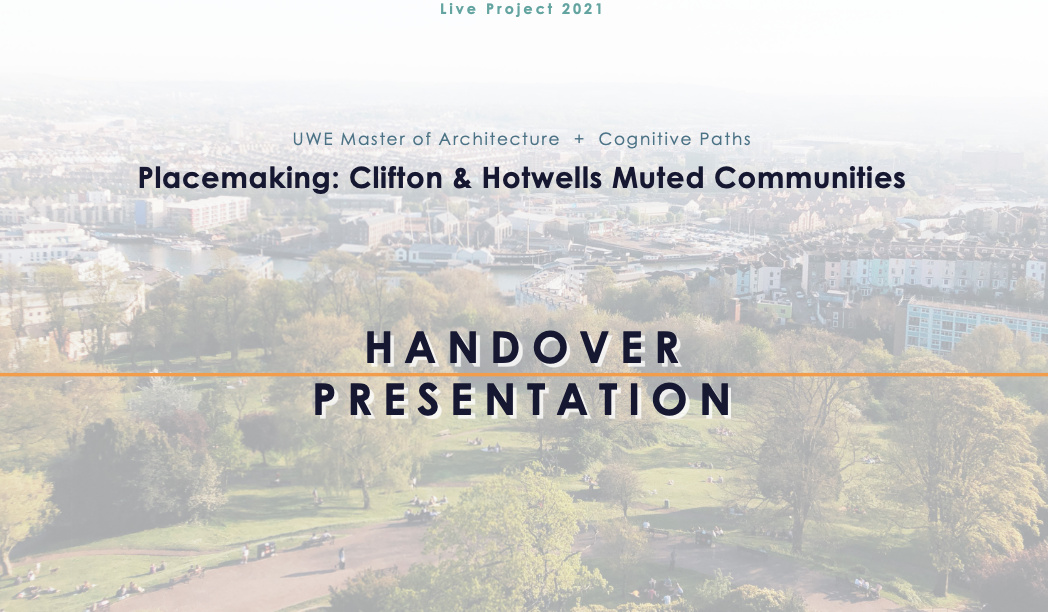 Through the Muted Communities placemaking initiative, working with UWE architecture students and Cognitive Paths, we engaged with more than 125 residents around public space, neighbourhood infrastructure and community assets.
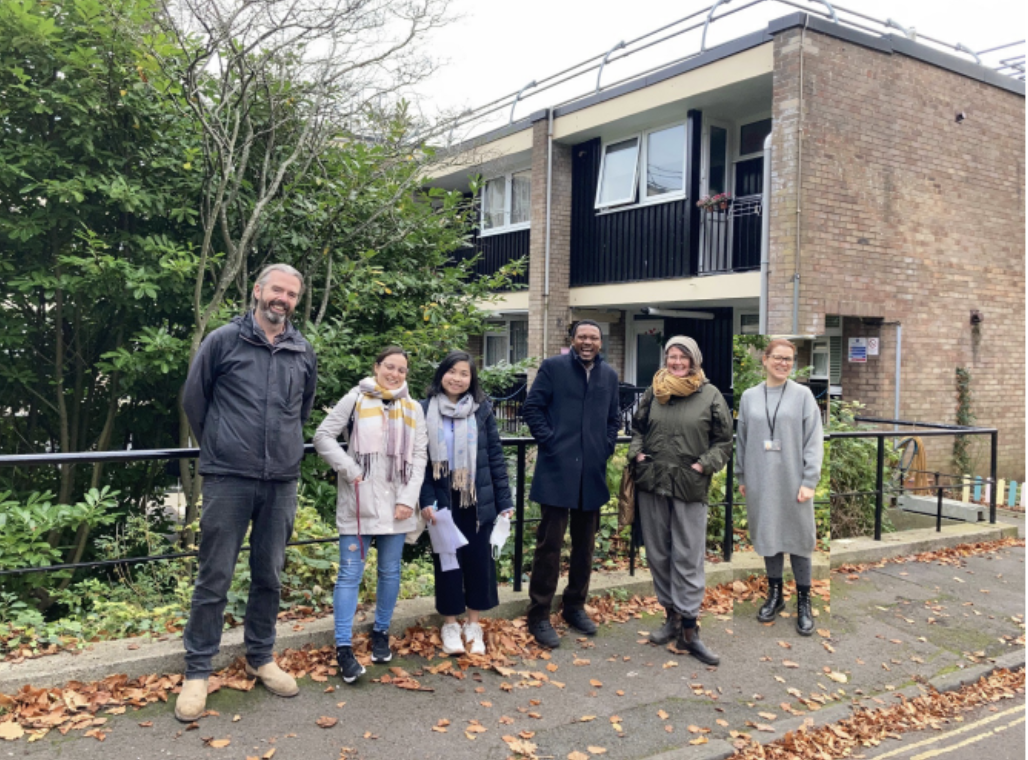
The Carrick House case-study, a council block sitting between Clifton, also made that work deeply practical. Working with fellow residents, we identified everyday priorities around safety, cycle storage and the management of mature trees and translated those concerns into practical proposals. Across Hotwells Corner, Cumberland Piazza, Hillsborough Flats and Jacobs Wells Baths, the same lesson kept returning.
” when people have the tools, relationships and confidence to participate, they are far more able to steward the places around them.”
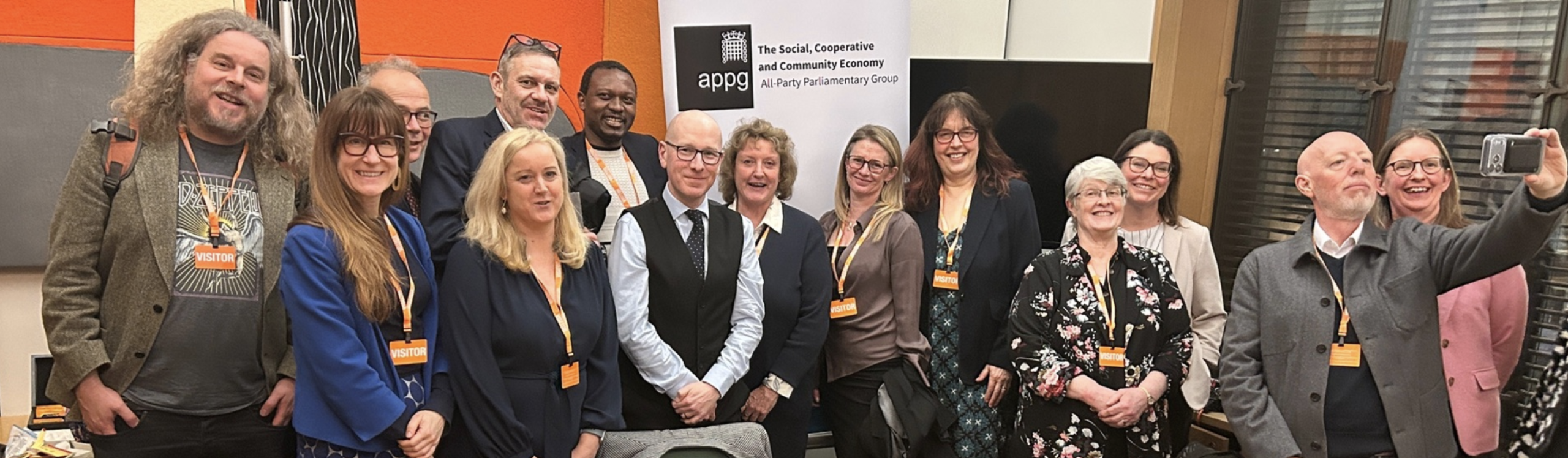
By 2023, my thinking was moving from who shapes a place? towards another question, who benefits economically from the way that place is built and maintained? That led me deeper into conversations around social value, procurement and the role of public spending in building stronger local economies.
As the Social Enterprise UK representative for Bristol, I have attended the Social Value Summit three times, using those opportunities to learn from national research and practice around social enterprise, procurement and community benefit.
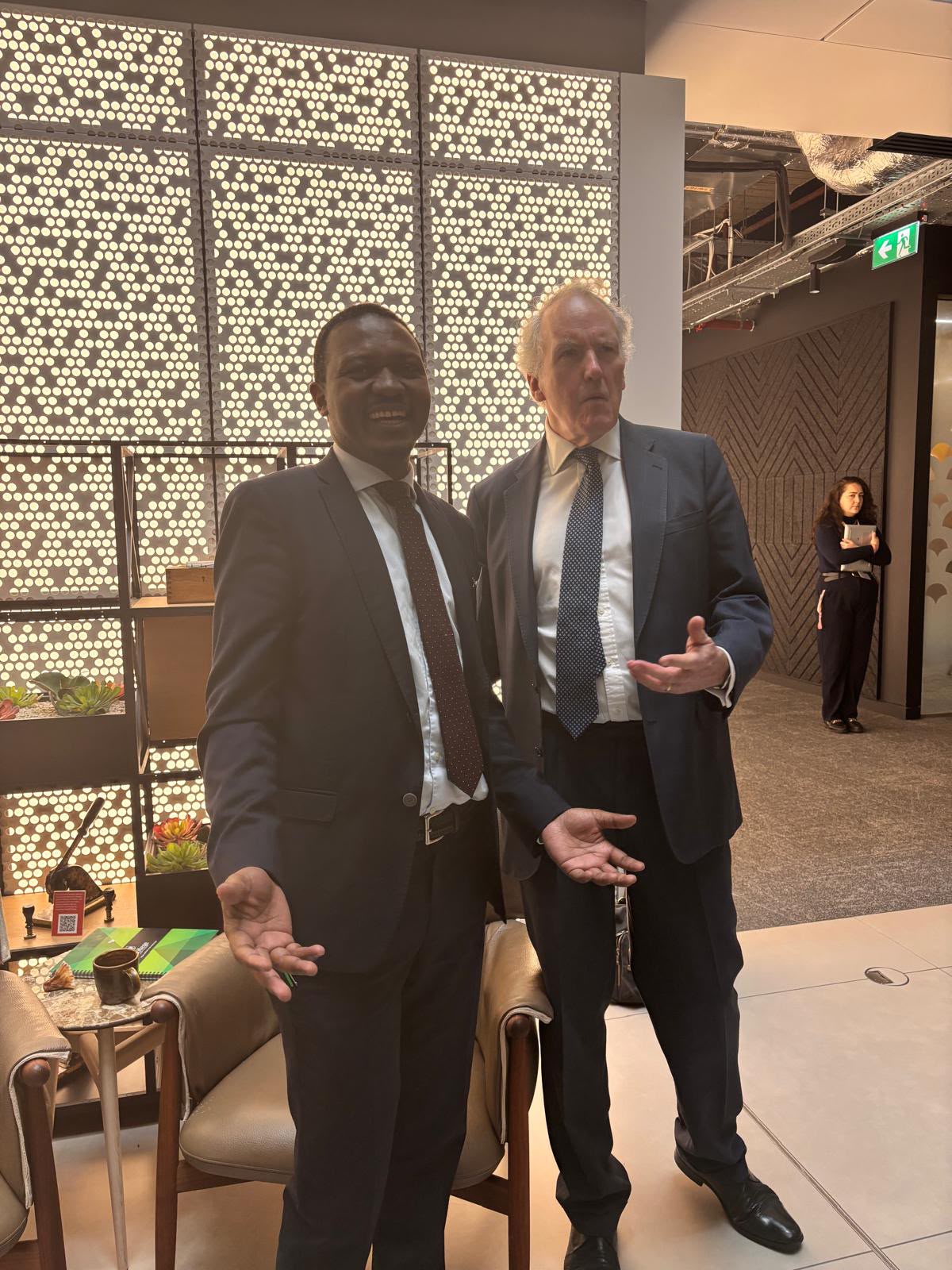 My engagement with discussions connected to the APPG for Social, Cooperative and Community Economy, for which Social Enterprise UK provides the secretariat, broadened that thinking further.
More recently, being invited to the launch of ICON gave me another opportunity to compare those national conversations with what I had been learning locally.
What interested me was not that everyone was using identical language. It was that different routes were increasingly leading towards a similar conclusion, strong economies depend on strong communities, and strong communities need the capacity to shape what happens around them.
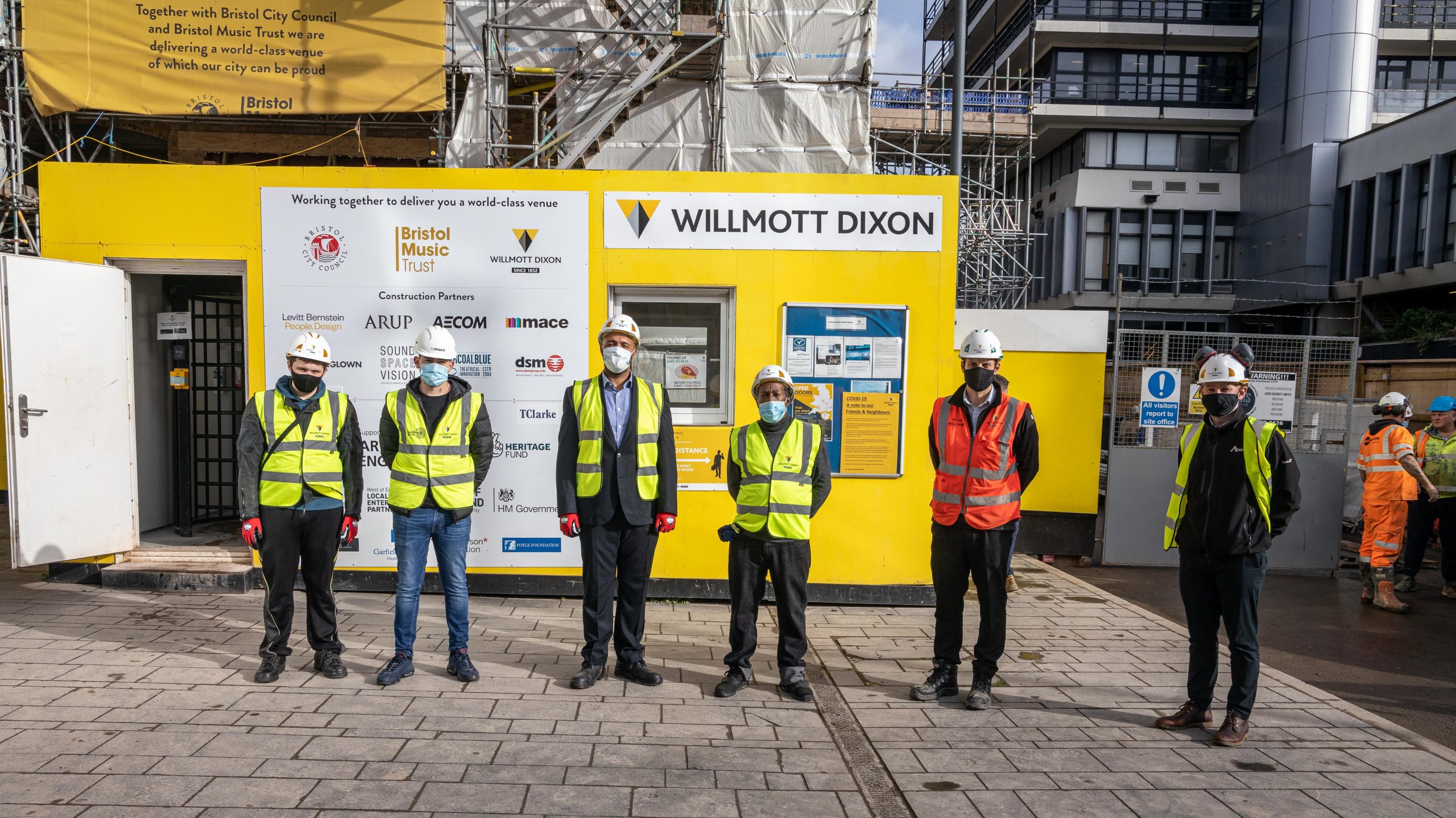 Through CoBuild Construction, I had already started exploring the gap between community need, commercial intent and public-sector capacity.
Developers and businesses may genuinely want to create positive community outcomes but do not always have detailed knowledge of changing neighbourhood priorities. Councils, meanwhile, cannot undertake intensive local needs assessments around every contract or development. To ensure hype-local benefit through contracts.
So instead of beginning with “What can you offer?” we should first help communities answer “What do we actually need?”
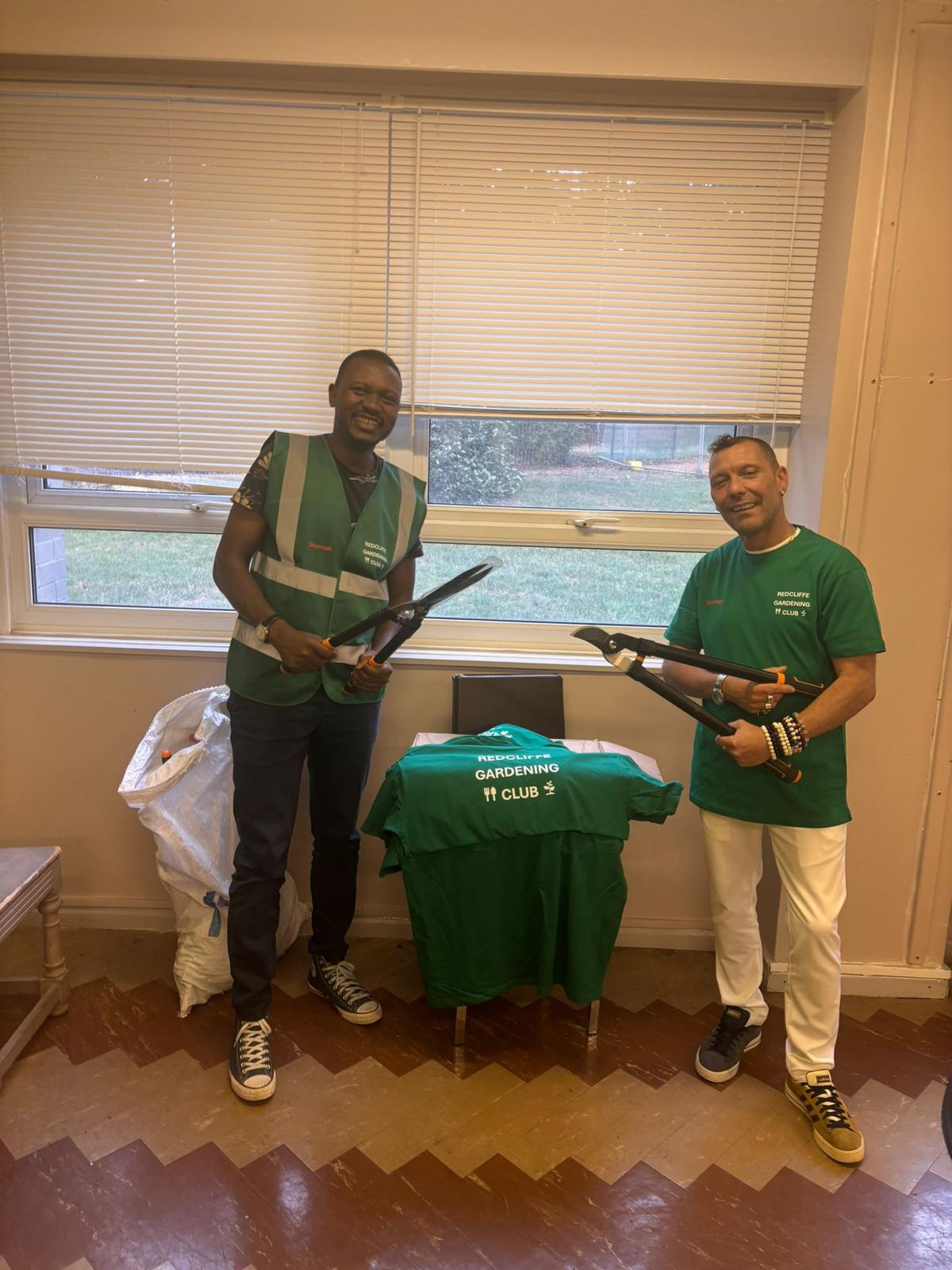 An organised neighbourhood can establish those priorities before major contracts, developments or social-value offers arrive.
Public procurement, social value and development contributions can then respond to priorities communities have already identified.
The same thinking applies to social housing, transport and adult social care contracts. If substantial public resources are being spent repairing and maintaining estates, we should ask whether some of that economic activity can also create local skills, employment and progression.
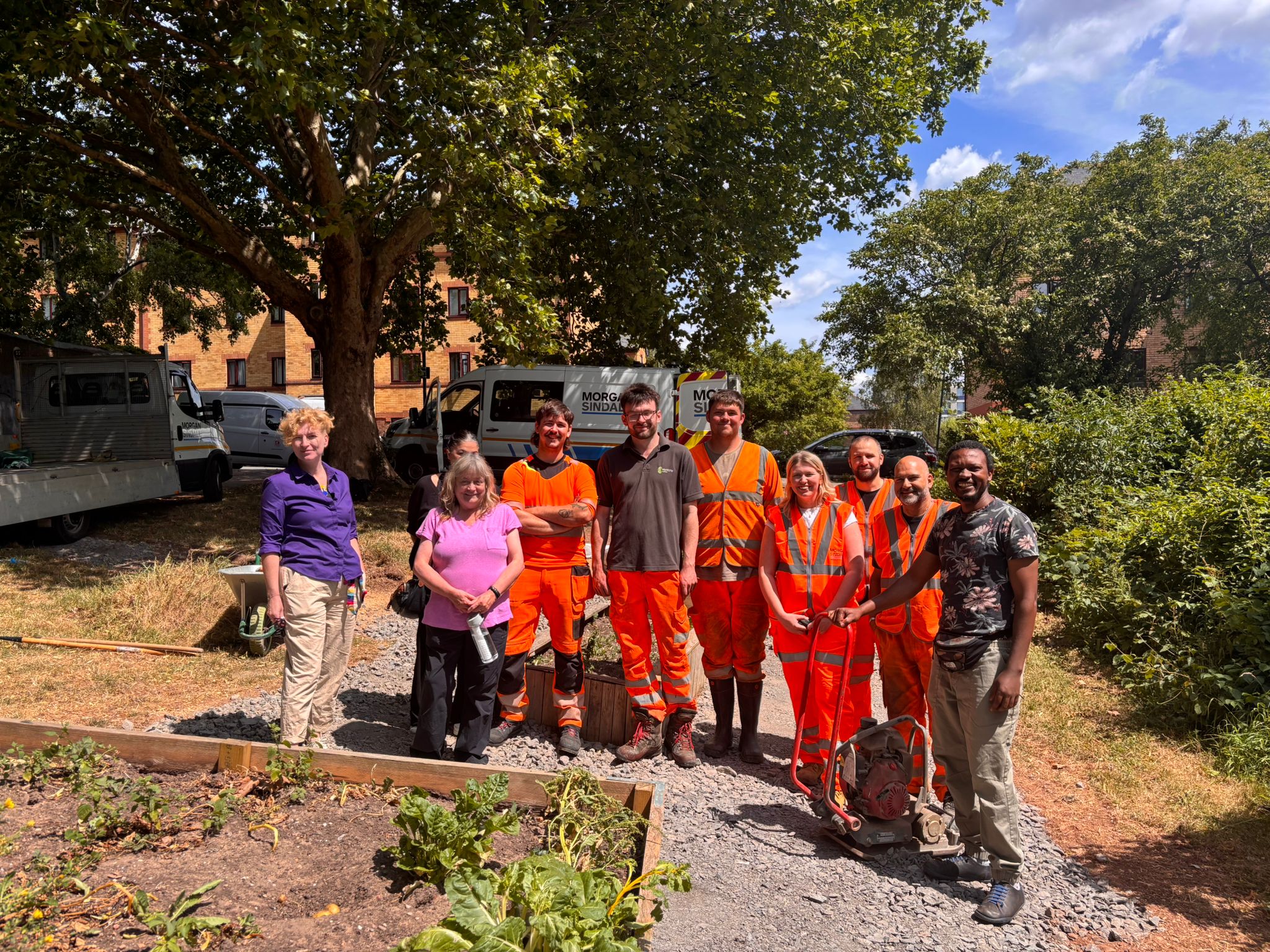
And place-shaping cannot stop at the front door. The quality of courtyards, paths, lighting, children’s spaces and communal areas matters too.
That is why I increasingly see a case for developing Estate Plans, developed with residents rather than simply applied to them. The aims to improve the local and feel of our estate to ensure we bring pride in our places.
That is what has made engagement with organisations such as Social Enterprise UK and ICON valuable. Their importance is not simply institutional credibility. It is the ability to learn from third-party research, test assumptions and bring those lessons back into practical neighbourhood work.
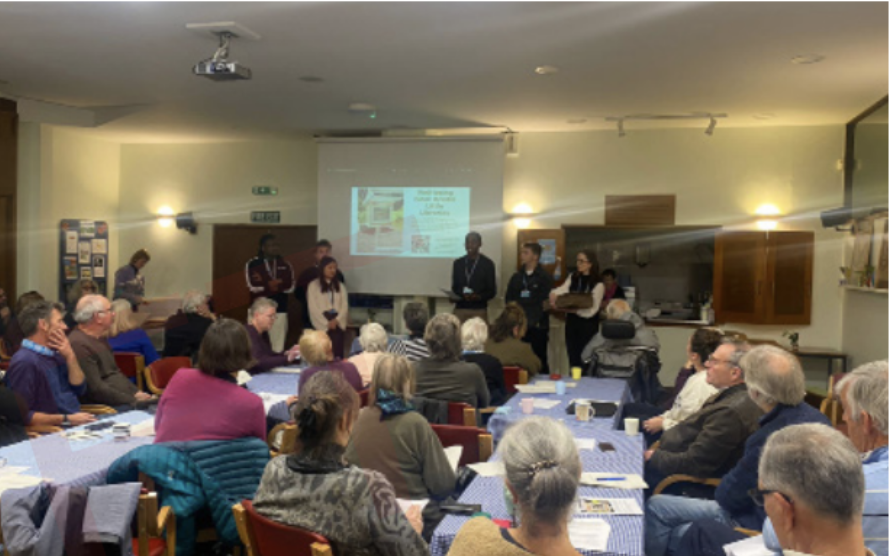
And through that process, one conclusion has become increasingly clear.
Neighbourhood development cannot be reduced to a regeneration project, one successful grant or another consultation exercise. It requires the relationships and local capacity that allow communities to organise around change.
This is where the Central Ward Programme begins to come together. The intention is not to recreate Bristol’s old Neighbourhood Partnerships or establish another administrative layer. It is to learn from what came before and rebuild neighbourhood capacity around three connected forms of infrastructure.
How residents organise and influence decisions.
The relationships, organisations and spaces that support neighbourhood life.
How investment, procurement, employment, hype-local initiatives and development create opportunity.
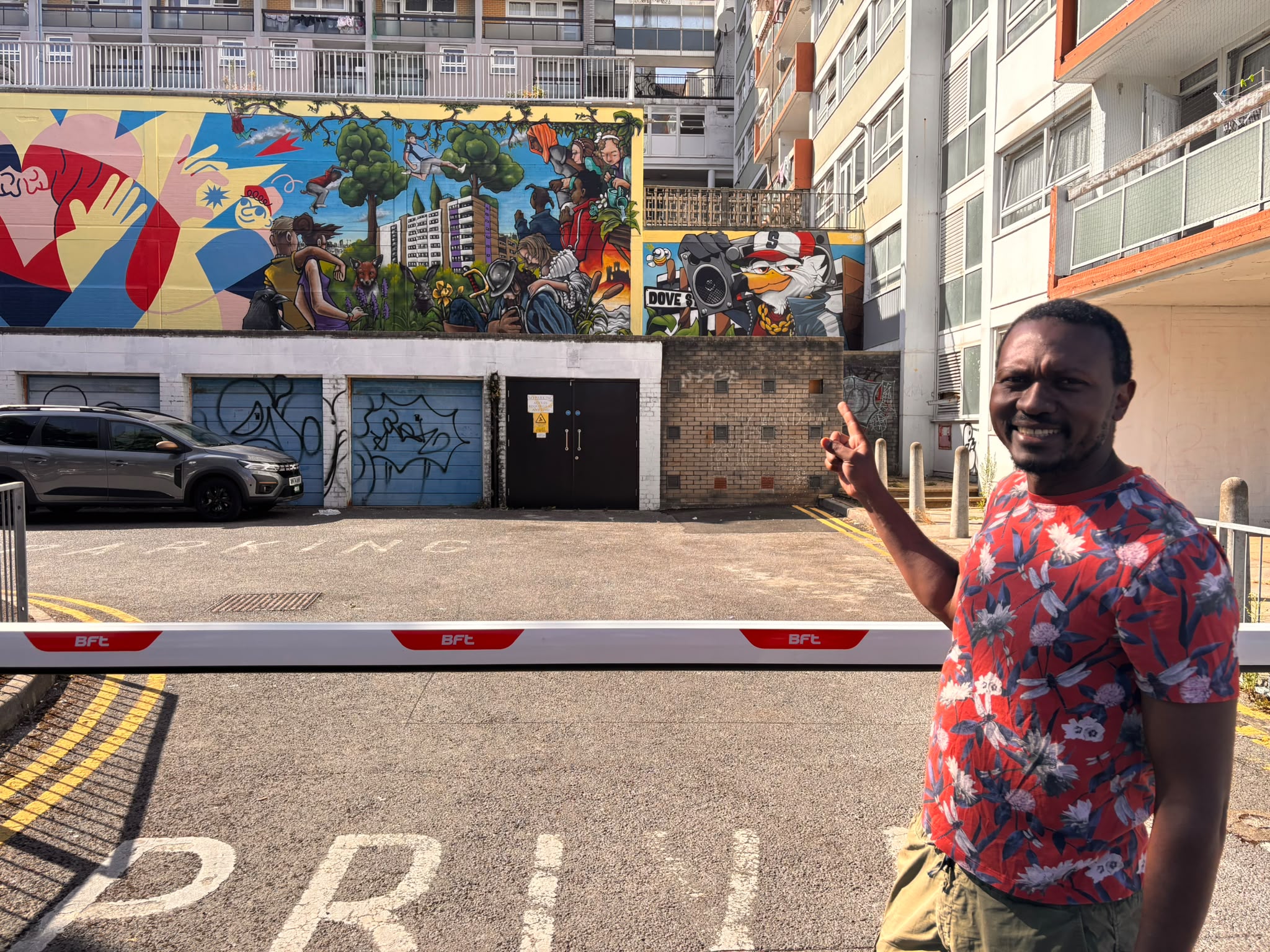
ICON’s Staircase Model of Neighbourhood Recovery has helped give language to something I had already been seeing through practice. Relationships and social capital come first.
Those relationships strengthen how communities interact with services.
From there, neighbourhoods are better placed to connect residents with economic opportunity.
Redcliffe and Kingsdown are now the first places where those strands are beginning to come together through the Central Ward Programme. They start from very different neighbourhood contexts, and their stories deserve to be told separately.
What began with the disappearance of one form of neighbourhood infrastructure in 2017 led to practical experiments in co-design, then placemaking, democratic voice and economic opportunity. National research and networks helped me test, challenge and refine what I was learning along the way.
Redcliffe and Kingsdown are not where that journey begins. They are where the different strands are beginning to meet.
Sibusiso Tshabalala is a Bristol civic leader connecting resident voice, public benefit and community investment to build fairer, more democratic neighbourhoods and city centre.
More about Sibusiso