Sibusiso Tshabalala
Councillor for CentralSibusiso Tshabalala is a Bristol civic leader connecting resident voice, public benefit and community investment to build fairer, more democratic neighbourhoods and city centre.
More about Sibusiso

menu
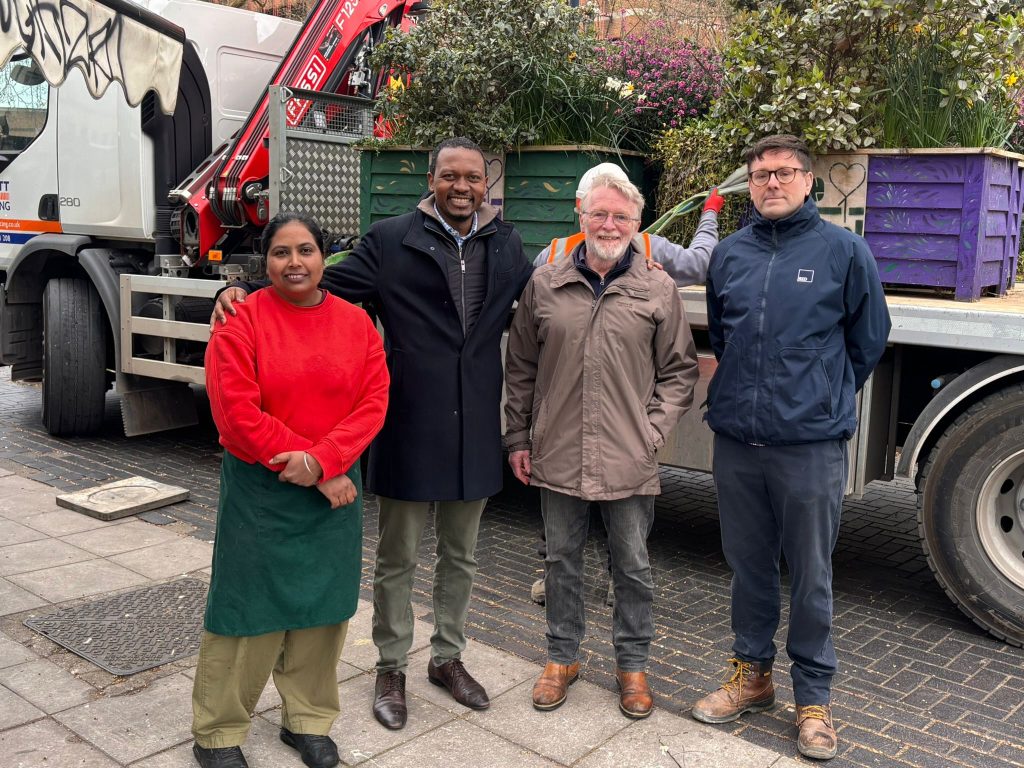
Castle Park sits at the heart of Bristol City Centre, both as our principal city-centre green space and as one of its most important historic places.
It contains the remains of Bristol Castle and St Peter’s Church, which stands as a memorial to those who lost their lives during the Bristol Blitz. As major regeneration moves forward around Broadmead, the Galleries and St Mary-le-Port, Castle Park will become even more important as a shared civic space.
The challenge is therefore not simply to preserve it, but to make it a place that feels safer, more welcoming and more connected to the people who use it.
That is why Ani Stafford-Townsend and I have backed £109,500 in local CIL funding across two heritage projects: £100,000 for St Peter’s Church to improve access, ground levels and lighting, and £9,500 for St Edith’s Well to support its restoration.
These are relatively focused investments, but they show what local developer contributions can achieve when they are connected to community priorities: protecting heritage, improving public space and helping Castle Park play a stronger role in the future of the city centre.
St Peter’s Church is one of the defining features of Castle Park.Parts of the surviving structure date back to the 11th or 12th century, and the ruins now serve as Bristol’s memorial to those killed during the Blitz. The aim is not to overdevelop the site, but to make it easier for people to access and experience.
That connects with the wider vision developed by Russ Leith and the Friends of Castle Park, including lighting, soundscapes and improved interpretation around the church.
Russ has described the ambition clearly “Our vision is simple, we want to bring a bombed-out, ancient listed monument back to life. For too long, safety concerns have overshadowed the incredible history of this site. “By installing proper lighting and soundscapes, we can turn St Peter’s Church into an outstanding nocturnal landmark and an educational asset. This investment isn’t just about repairs, it is about building pride in our community and creating a space that educates, entertains and is safe for everyone to enjoy.”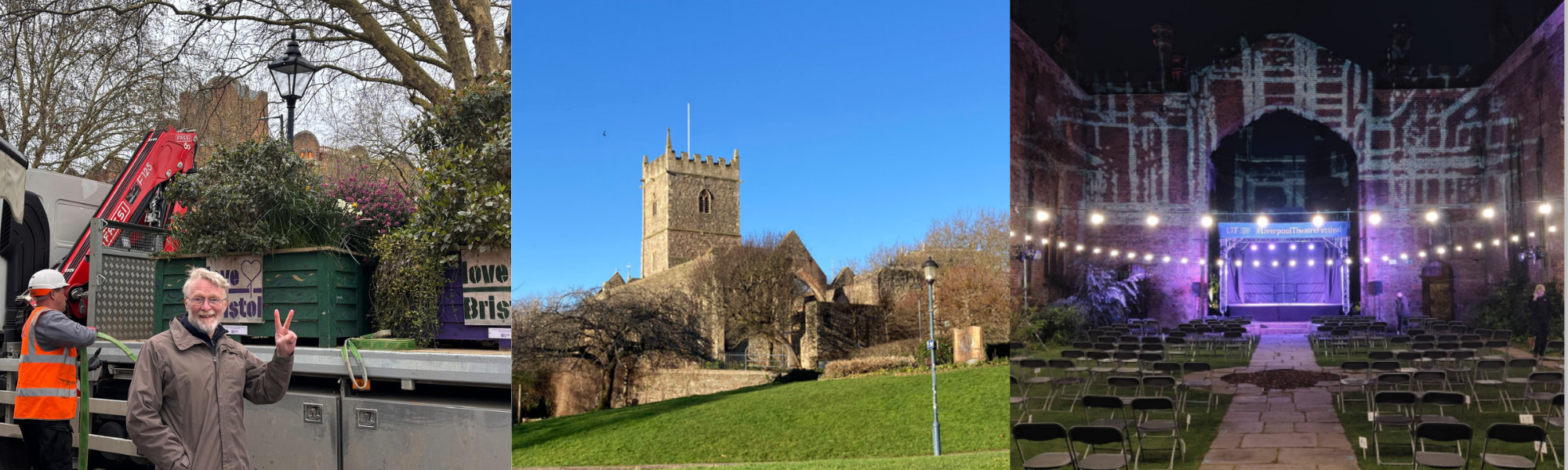
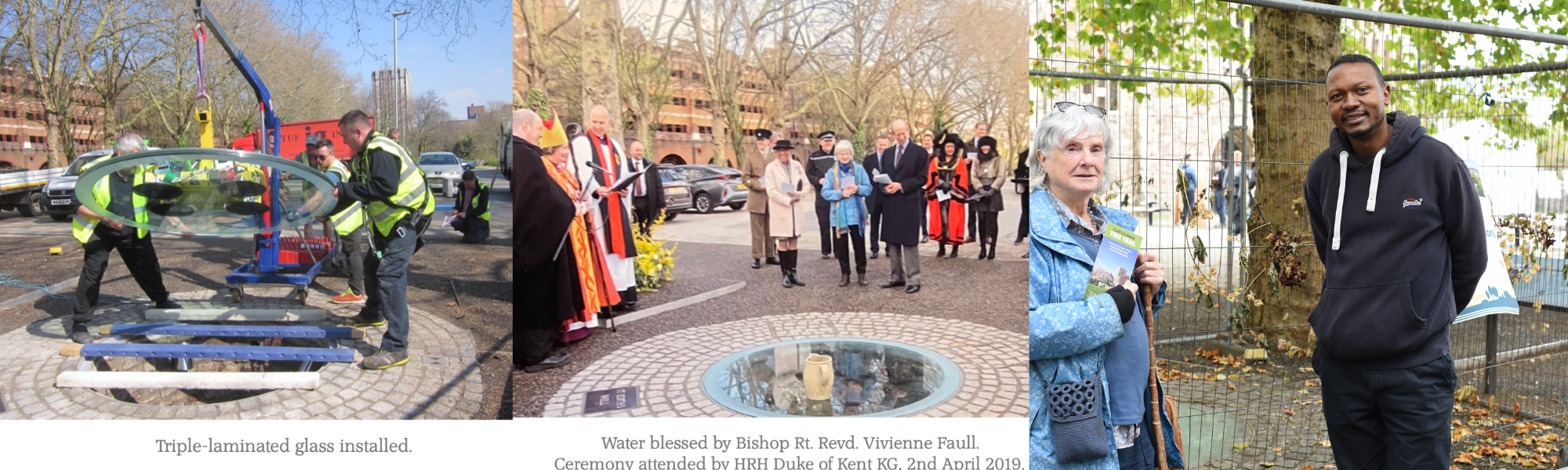
The second project, £9,500 for St Edith’s Well, is much smaller in financial terms but carries real symbolic value. The community proposal includes replacing the damaged glass and adding planters and seating so the well becomes a place where people can stop and understand its significance, rather than simply walk across it. The well was first recorded in 1391 and supplied water to the Saxon town of Brigstowe. When reopened, it was found to be around 43 feet deep with water still flowing.
Its glass was smashed in 2022 and the site was later fenced off for health and safety reasons.Restoring it is a simple but important act of care for a part of Bristol’s history that has been overlooked.
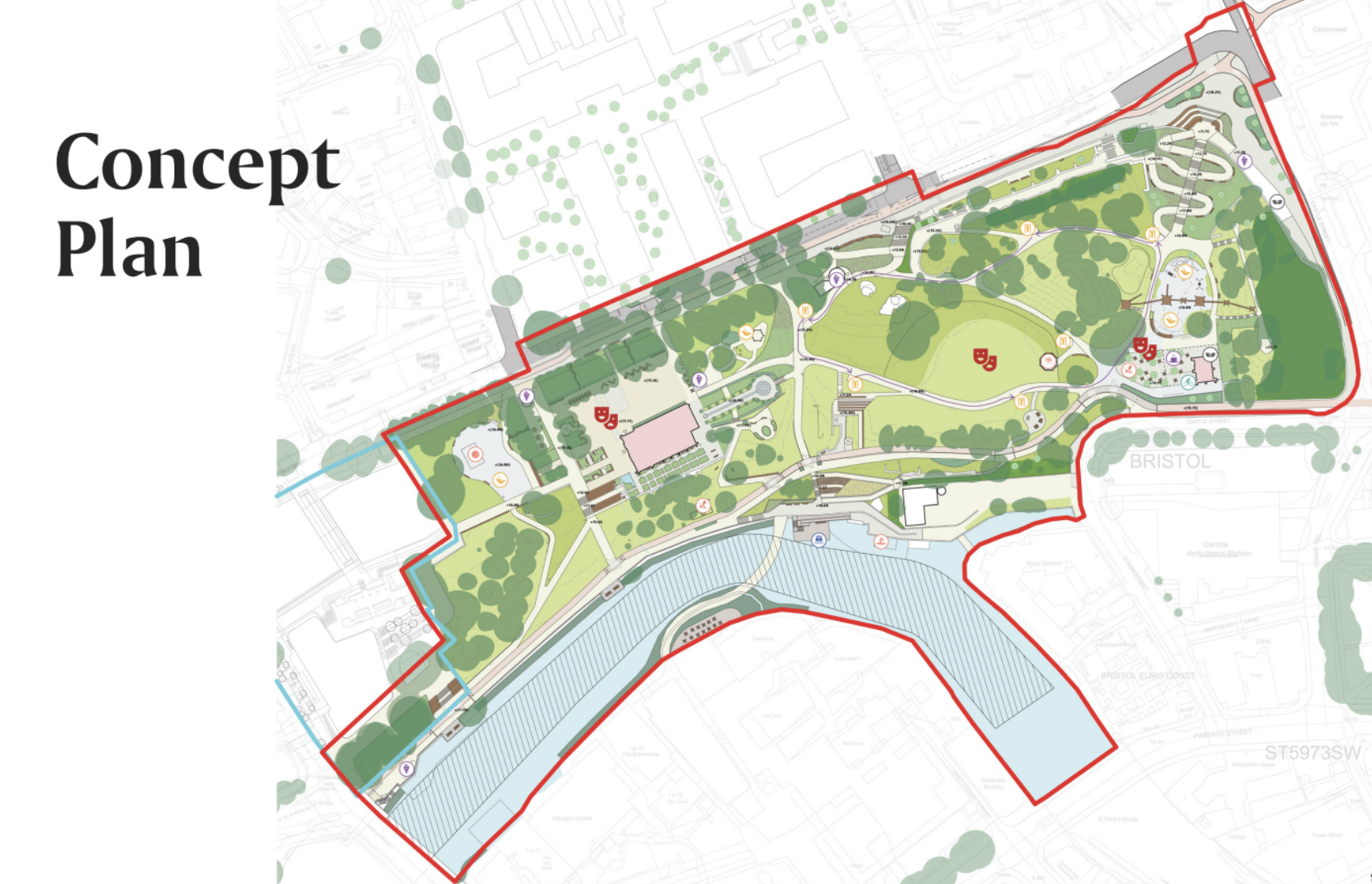 These projects sit within a wider Council vision to make Castle Park safer, more accessible and inclusive, with stronger links to Broadmead, the Old City and the Floating Harbour.
That becomes even more important as major developments around the park move forward, including the redevelopment of the Galleries and St Mary-le-Port, bringing new homes, businesses and greater activity into the city centre.
Castle Park grows with the change around it, bringing together heritage, safety, access and community insight so it works better for the people and planet.
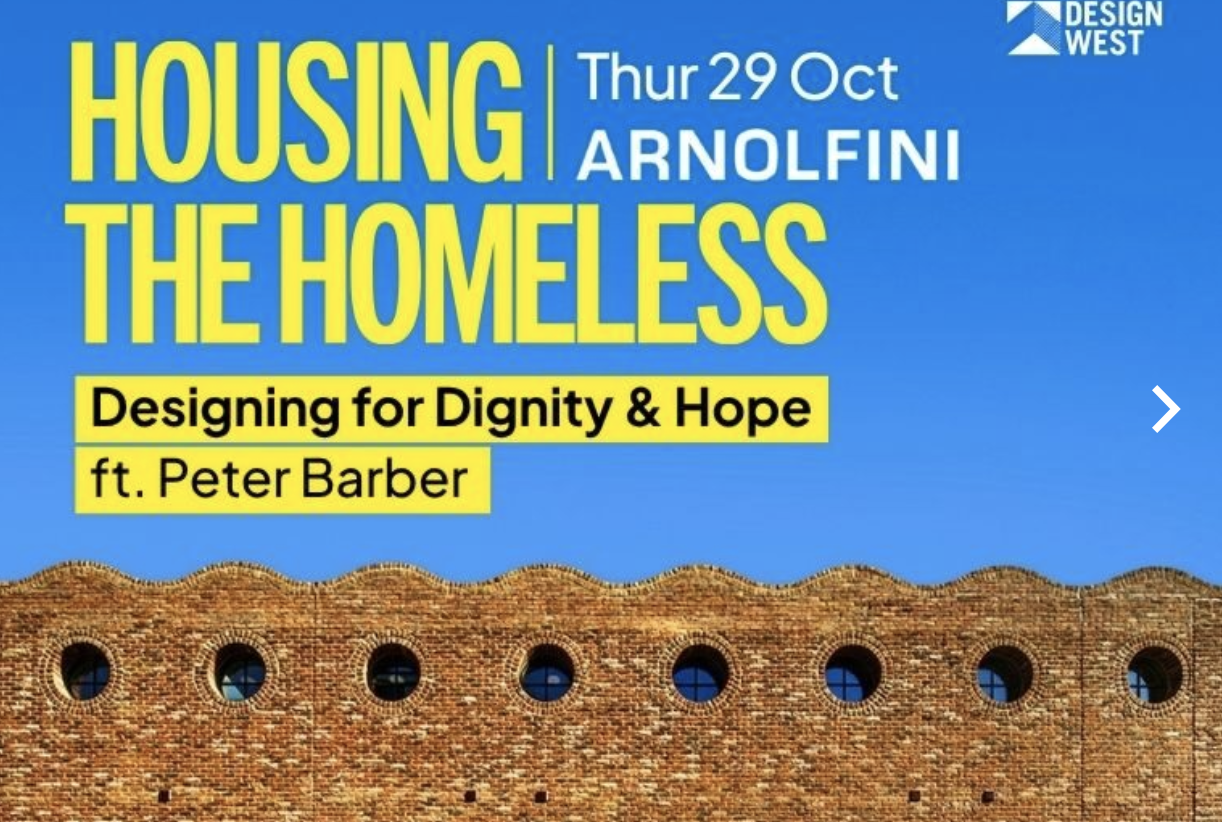 The upcoming Design West event, Designing for Dignity & Hope ft. Peter Barber, brings an important wider perspective to this work. It asks two connected questions – how do we design places for people experiencing homelessness, and how do we design a system that ensures everyone has a place to call home?
That feels especially relevant as government policy places renewed emphasis on helping people sleeping rough move off the streets and into settled accommodation. The challenge is not simply providing an emergency bed. It is making sure temporary accommodation becomes a genuine stepping stone towards a secure home, with the right support around it.
A home provides privacy, safety and stability, but the quality of the place itself matters too. Buildings and neighbourhoods can either deepen isolation or help people feel connected, secure and part of a community. That means thinking about dignity, privacy, social connection and long-term belonging, not just immediate shelter.
This has a direct connection to how we think about public space in Castle Park and across the city centre. When concerns are raised about safety, rough sleeping or anti-social behaviour, the response cannot simply be to move people elsewhere. Good design can improve visibility, encourage greater use and make places feel safer, but it cannot substitute for housing, support services or coordinated public policy.
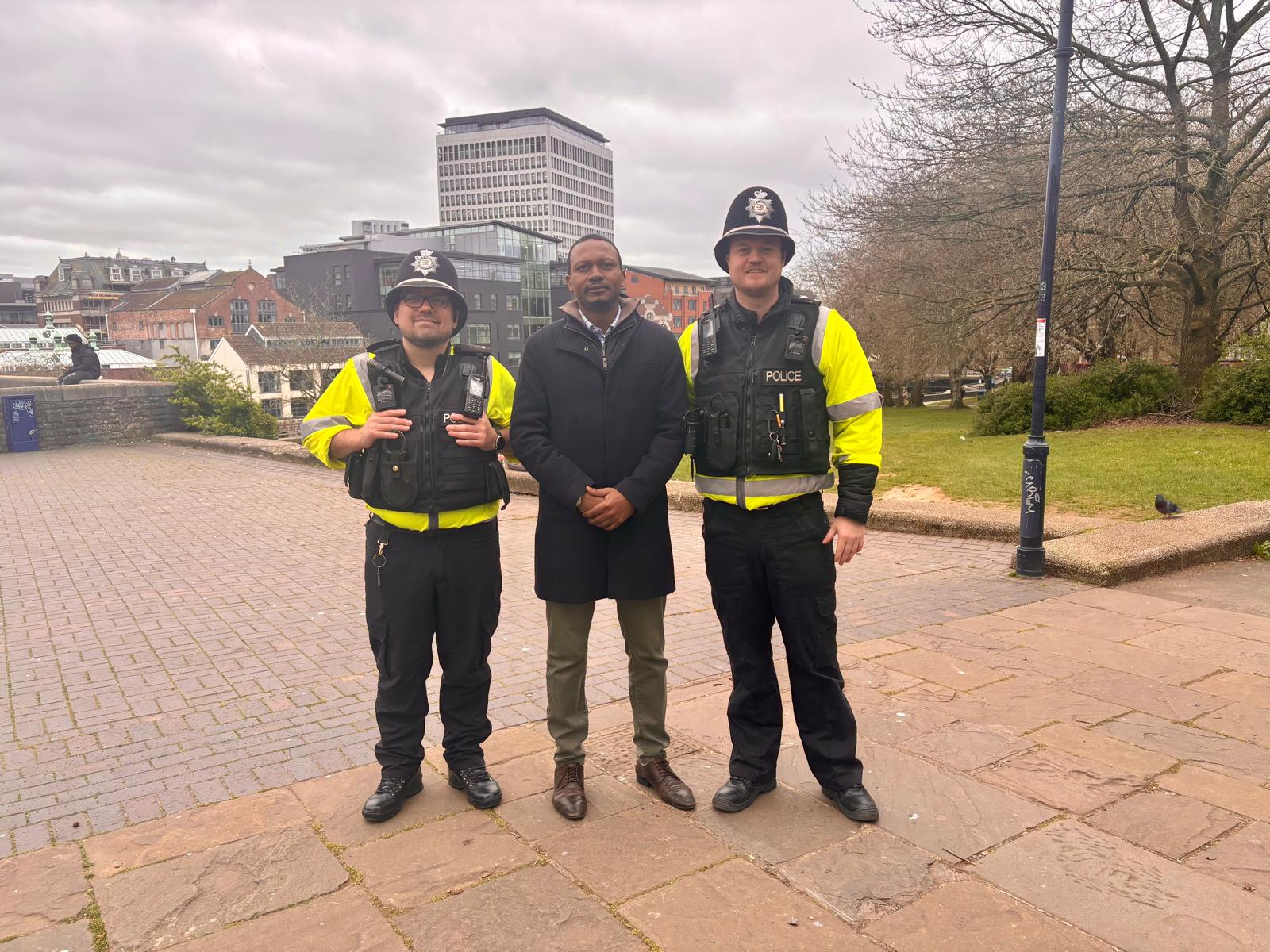
For me, that is the balance we need to hold. Residents, workers and businesses should feel safe, while people experiencing homelessness should be treated with dignity and supported towards a settled home. We also have to be clear that anti-social behaviour, shop theft and violence have a real impact on people’s confidence in the city centre and cannot simply be accepted as inevitable. The answer is not to conflate homelessness or vulnerability with criminality, but to respond appropriately to each issue, enforcement where harm is being caused, prevention and support where people are at risk, and better design that makes public spaces safer and more welcoming.
Good design should not simply design people out. It should design dignity, belonging and participation in.
Sibusiso Tshabalala is a Bristol civic leader connecting resident voice, public benefit and community investment to build fairer, more democratic neighbourhoods and city centre.
More about Sibusiso